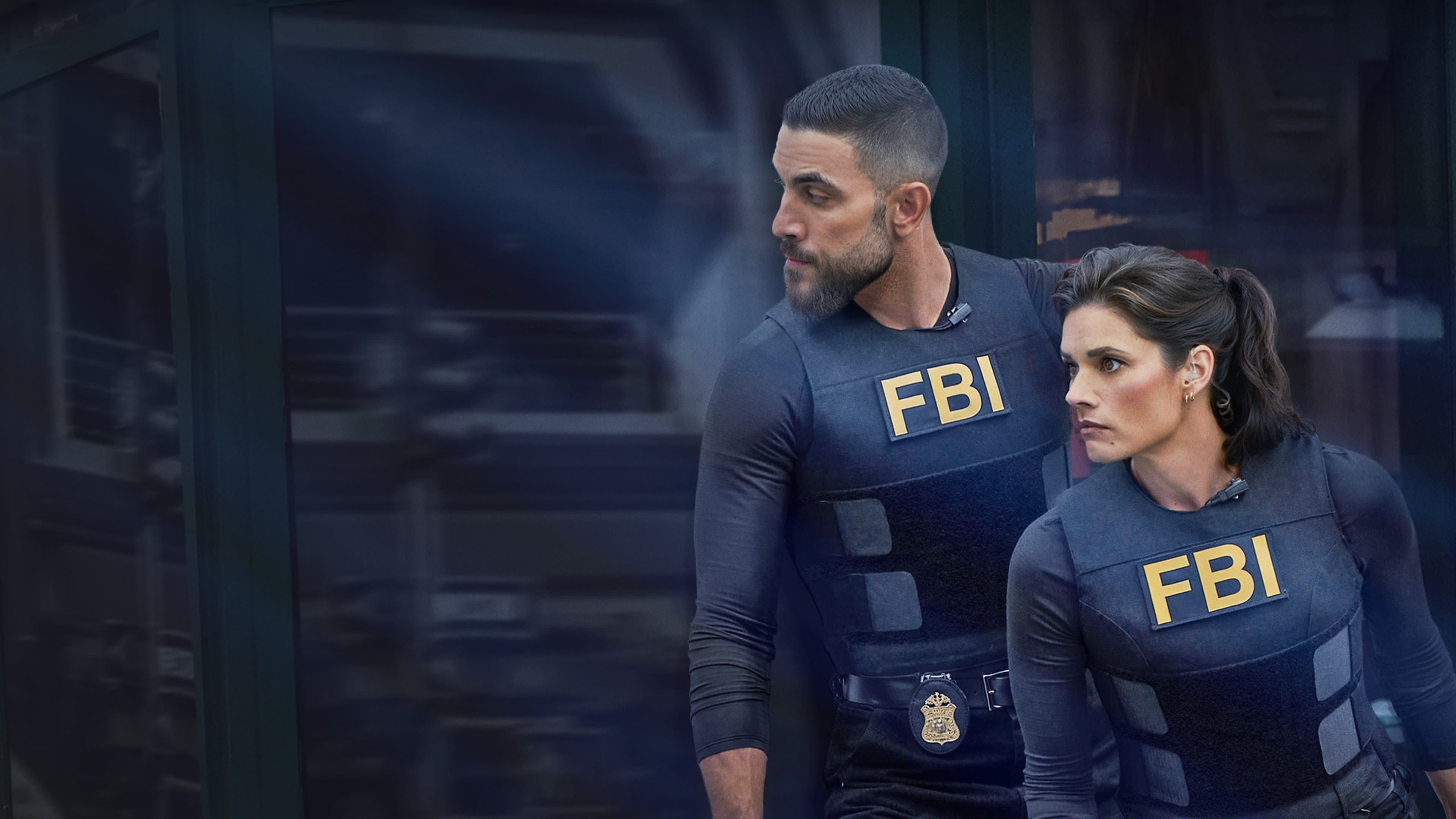
Let's be honest about what "FBI" is in 2026. It's the anchor of a small television universe, the sturdy older sibling to its spinoffs, and one of the last shows standing in the traditional network crime drama lane. Nine seasons is a long time - longer than most marriages, most mortgages, and definitely most streaming series that get canceled after two. So the fact that Season 9 arrives looking this composed is genuinely worth noting.
Missy Peregrym's Maggie Bell remains the show's emotional center of gravity. She's the kind of performer who can make an exposition dump about jurisdictional jurisdiction sound like it matters, and the series wisely keeps leaning on her. Zeeko Zaki's OA Zidan has grown from the rookie-ish muscle of the early years into a steady, empathetic partner, and the Maggie-OA dynamic - equal parts shorthand and sibling bickering - is still the show's best special effect. Then there's Jeremy Sisto's Jubal Valentine, the assistant special agent in charge who somehow makes standing in a conference room barking updates feel like a character study. Sisto has quietly become one of the most reliable utility players on network TV, and every scene he's in gets a little more grounded.
The procedural format is both the show's superpower and its ceiling. Episodes move with the efficiency of a well-trained agent: crime, clue, interrogation, twist, resolution. It's not trying to reinvent storytelling, and honestly, in an era where every show wants to be a puzzle box with a Reddit thread, there's something almost noble about a series that just wants to tell you a complete story in 43 minutes and let you go to bed. The trade-off? You're not going to get the moral ambiguity of a prestige cable drama, and the "major cases" can blur together if you binge more than two in a row.
But here's the thing - nobody watching Season 9 is looking for "True Detective." They're looking for a Tuesday night ritual, a show that's been in the family long enough to feel like furniture. And on that front, this season delivers.