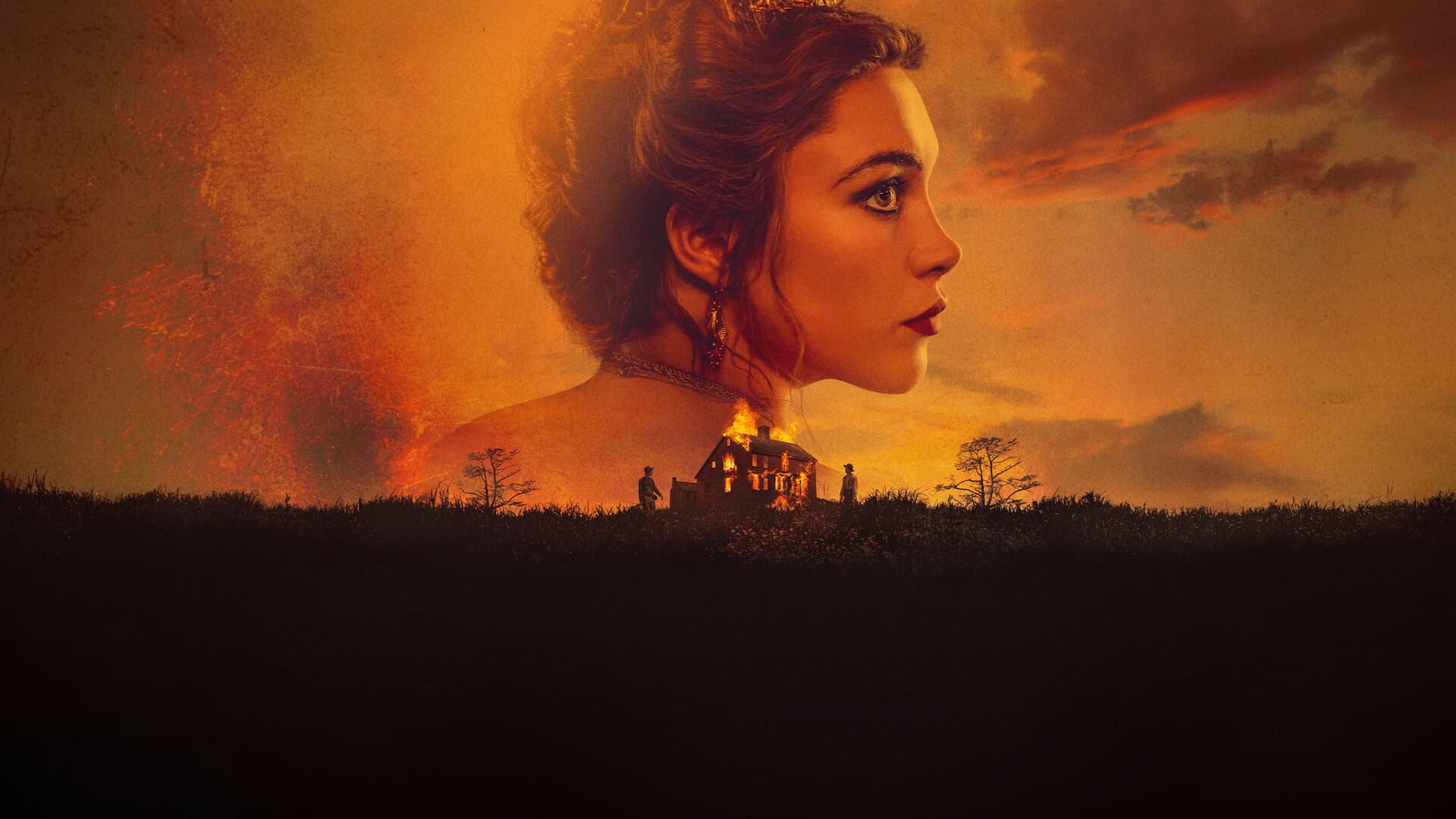
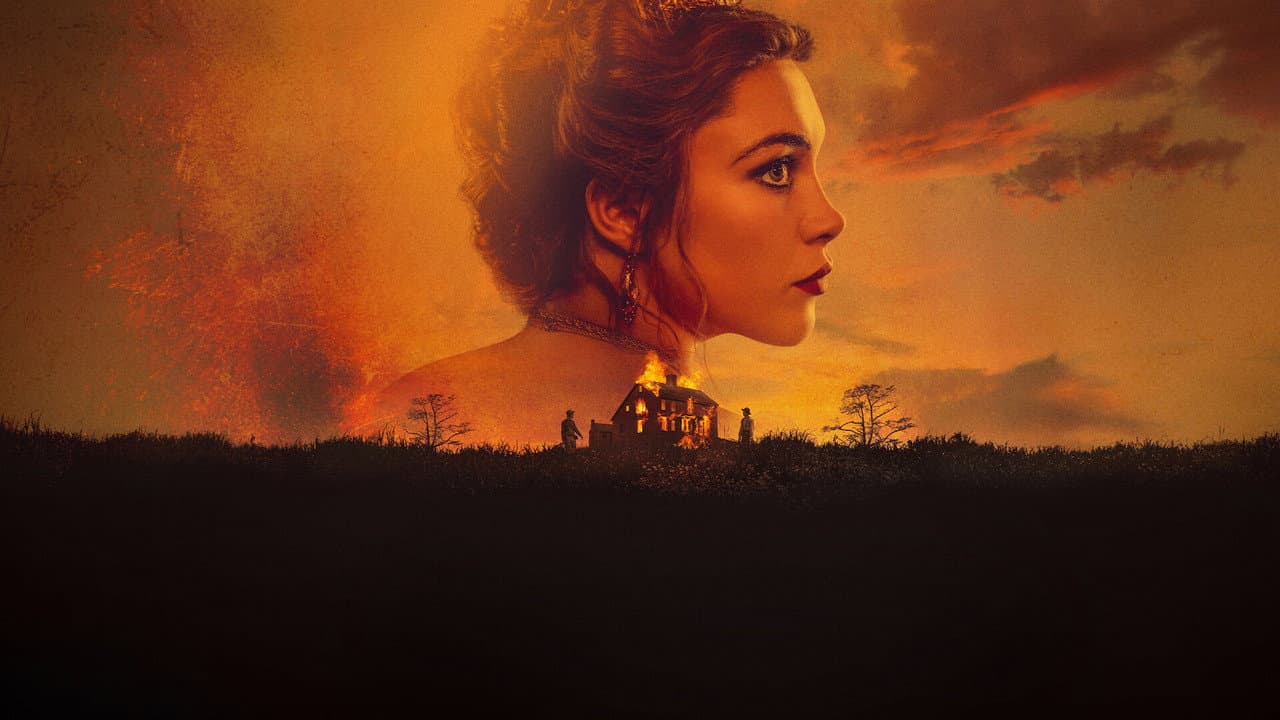
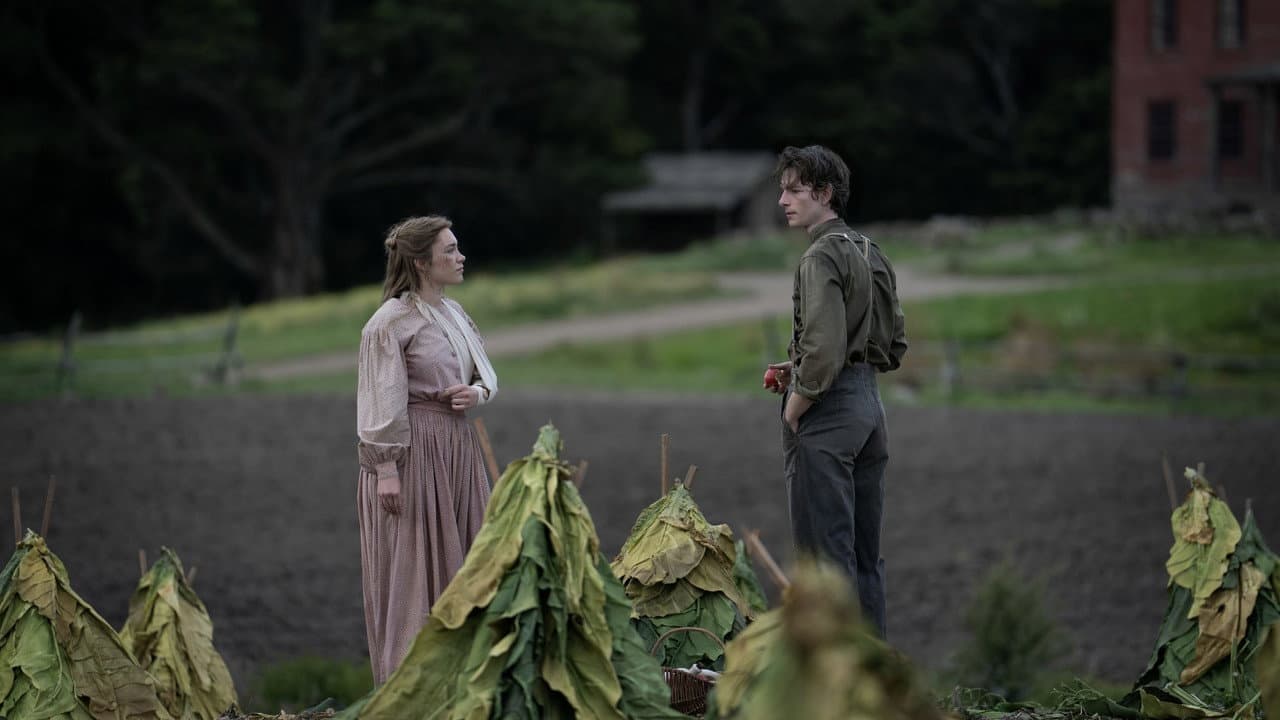
Here's the thing about East of Eden: it knows exactly what it is, and it commits. This is gothic Americana with a streaming budget - golden-hour fields, shadows that feel like they're hiding something, a score that keeps leaning on you. For a first season, it's remarkably confident about its own rhythm, even when that rhythm is slow.
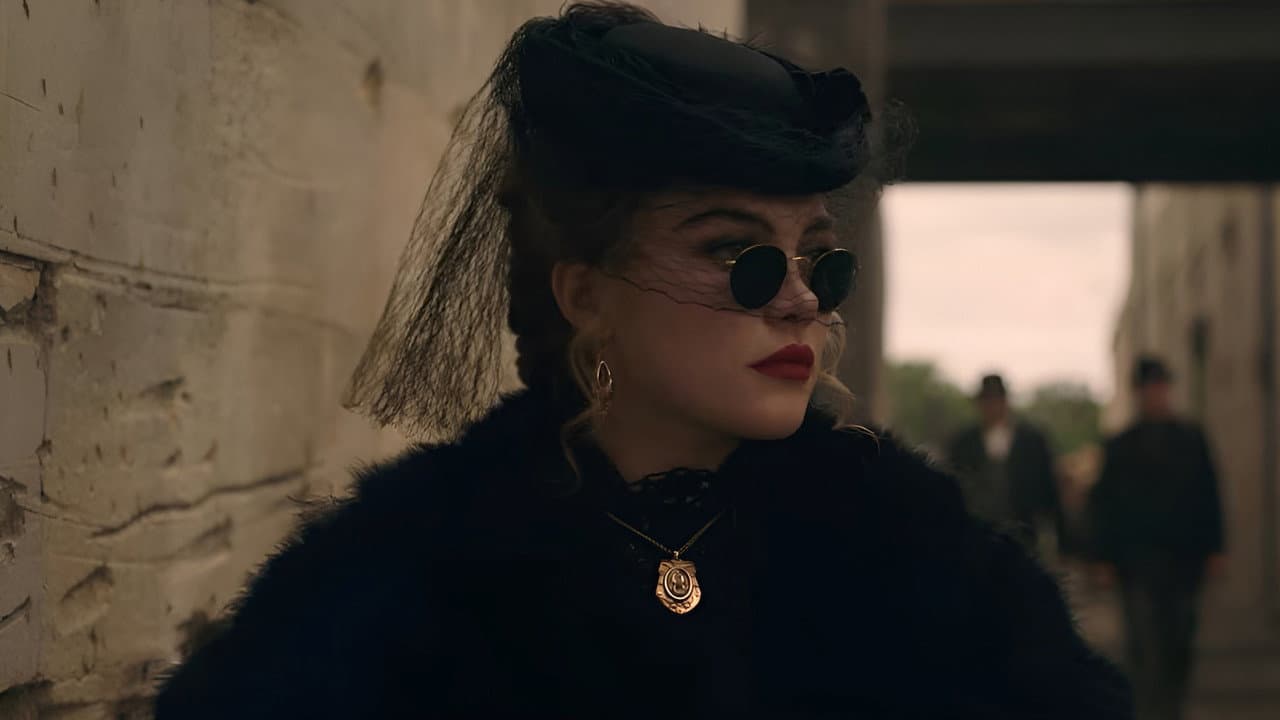
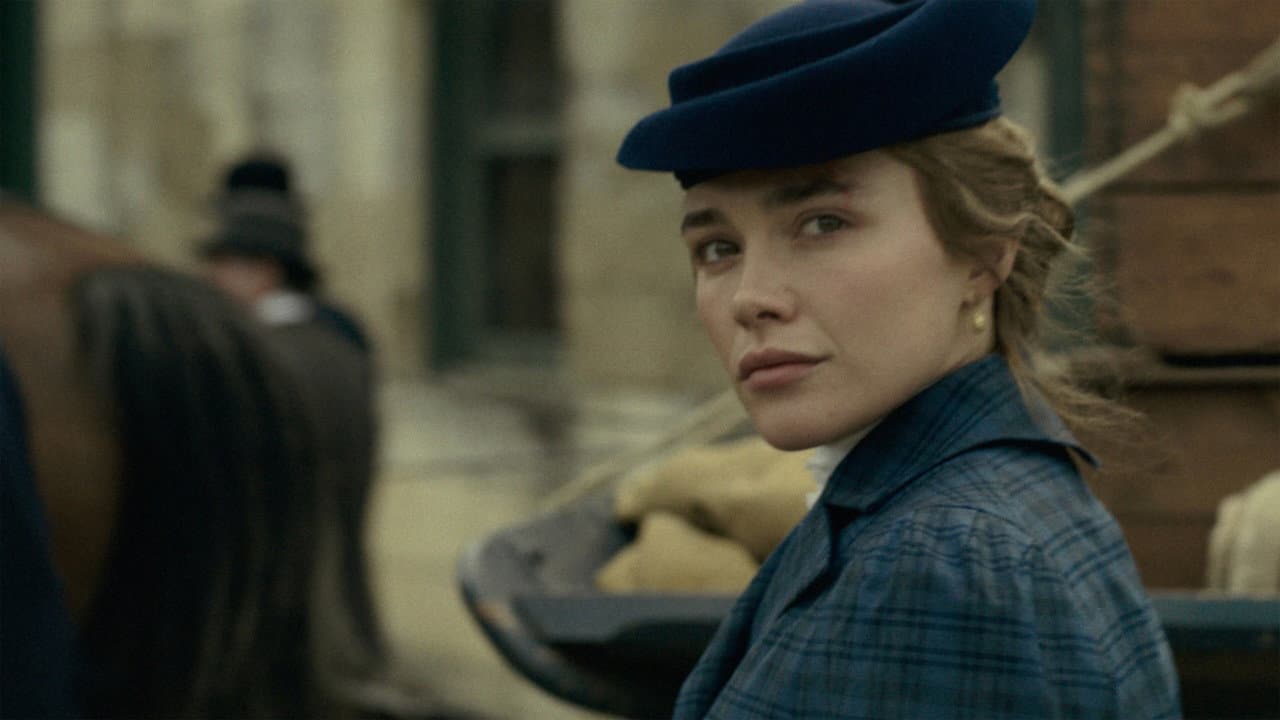
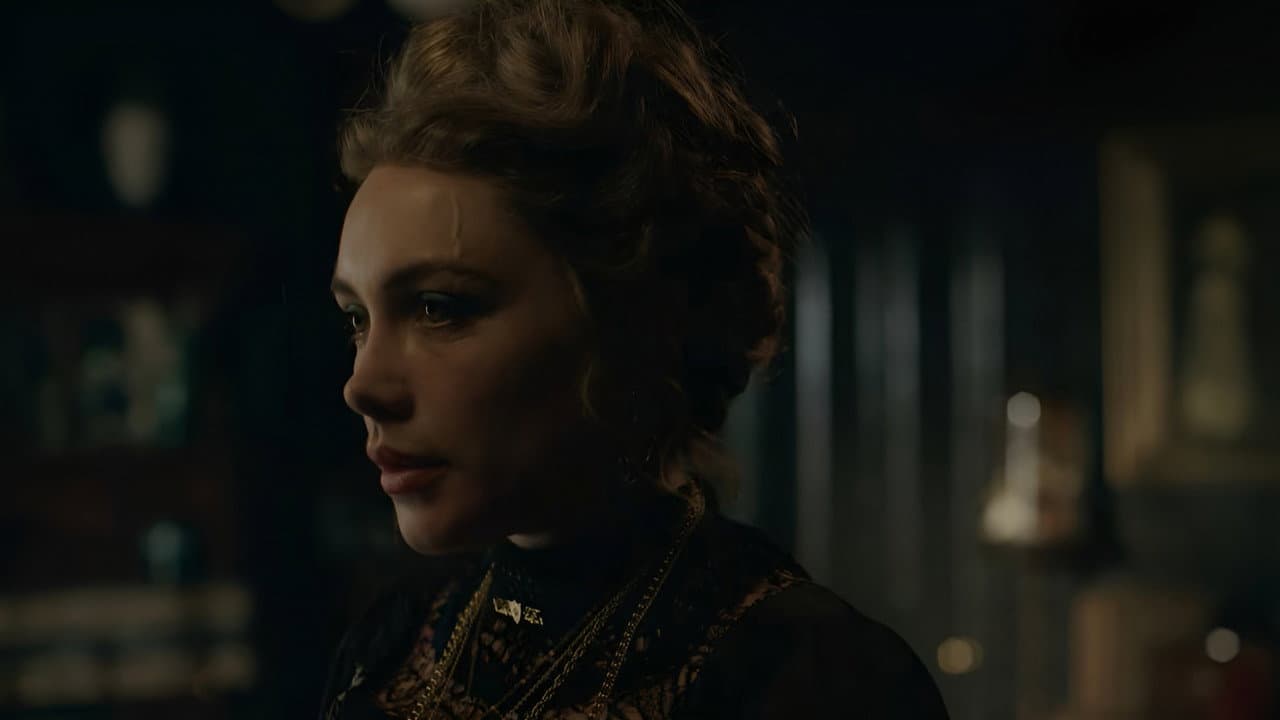
The headline is Pugh, and it should be. Cathy Ames is a famously thorny character - part femme fatale, part psychological puzzle - and Pugh plays her with a chilly calm that's far more unnerving than any scenery-chewing would've been. There's a moment early on where she looks at someone and you can practically see the calculation happening behind her eyes. It's a performance built on restraint, and it's the best reason to press play.
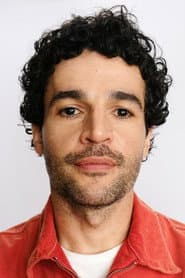
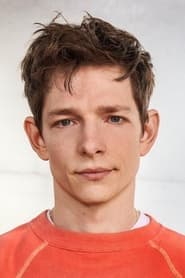
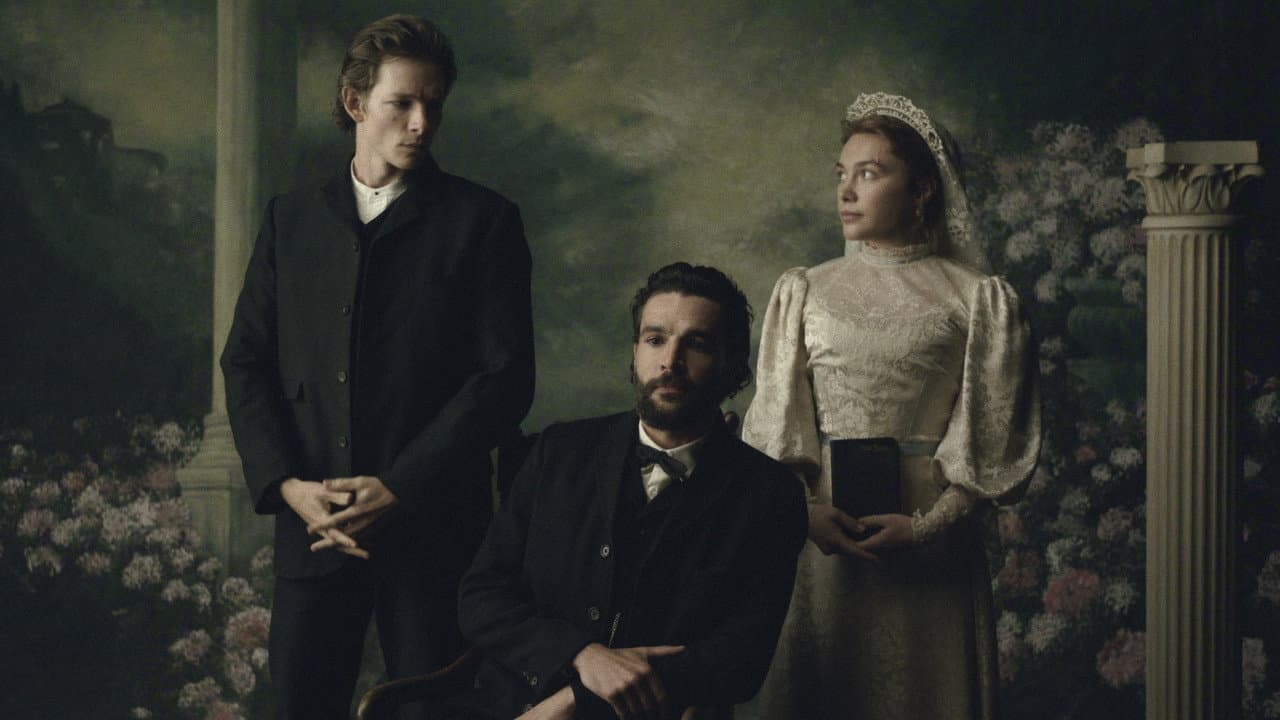
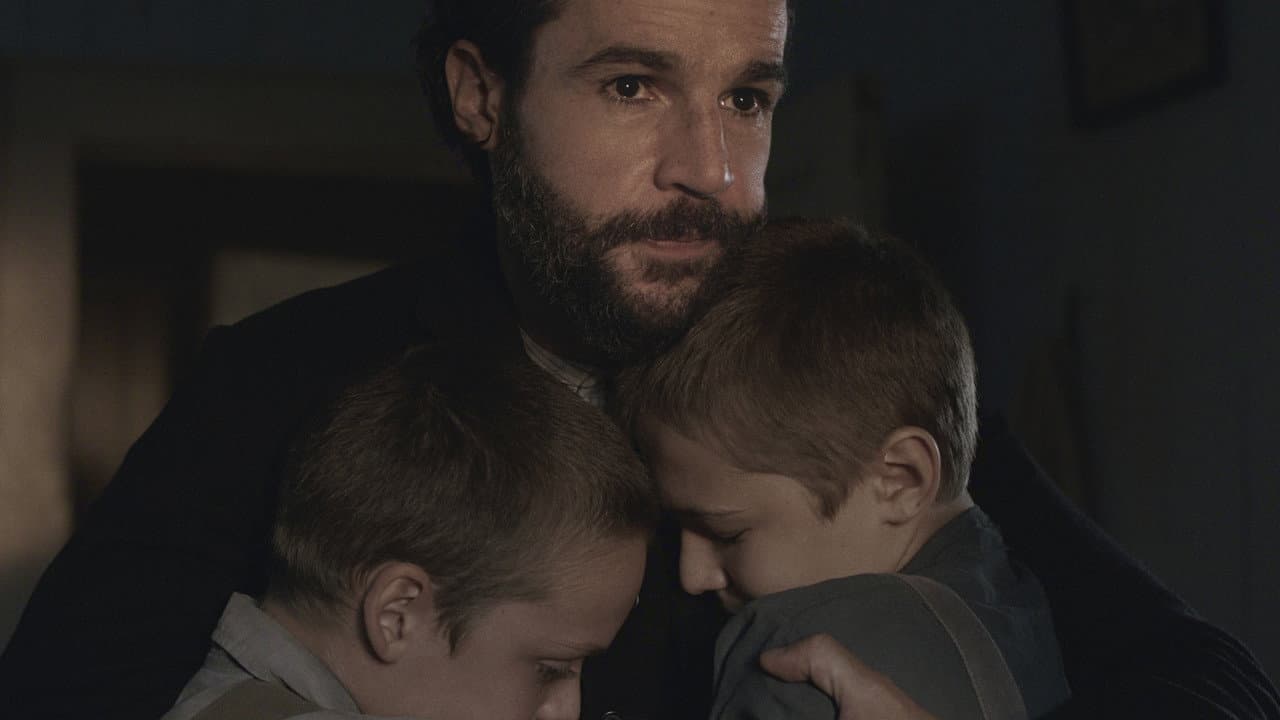
Abbott matches her with a wounded, granite-jawed turn as Adam, a man whose moral certainty keeps curdling into something darker. But the real surprise is Faist. He's already had a hell of a run on screens big and small, and as Charles he brings a coiled volatility that makes every family dinner feel like a fuse burning. When the two brothers share a scene, the show crackles in a way it doesn't always manage elsewhere.
Because yes, there are stretches where East of Eden sags. The two-generation structure is faithful to the source material, but dramatically it means the season has to do a lot of heavy lifting - establishing one era, then handing the emotional weight to Zada and Anders as Cal and Aron. Both young actors hold their own admirably, particularly Zada, whose Cal carries a restless, inherited guilt that ties the whole thing together. Still, the baton pass mid-season creates a wobble the show never entirely corrects.
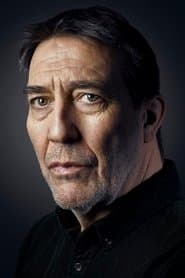
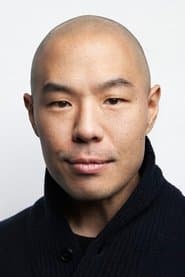
The supporting cast, though? Stacked. Letts brings a booming patriarch energy as Cyrus, Hinds is warm and rumpled as Samuel Hamilton in a way that makes you want more of him, and Hoon Lee as Lee is the season's stealth MVP - a quiet anchor in a story that's constantly threatening to spiral. The dialogue leans literary, sometimes to a fault; characters occasionally speak in paragraphs when a sentence would do. But if you're here for the big, sweeping family saga, that's part of the bargain.
What ultimately lands is the theme. This is a story about whether you get to choose who you become, or whether the past just keeps cashing checks your blood already wrote. The season doesn't offer easy answers, and its final stretch earns the ambiguity.