Italy is about to throw one heck of a homecoming party for one of its own - and Hollywood is footing the bill, sort of. Carlo Rambaldi, the Italian special-effects wizard who gave E.T. his unforgettable face, will be honored with a star on the Hollywood Walk of Fame, and back in his home country, fans, film buffs, and cultural officials are gearing up to celebrate a native son whose fingerprints are all over some of the most beloved movies ever made.
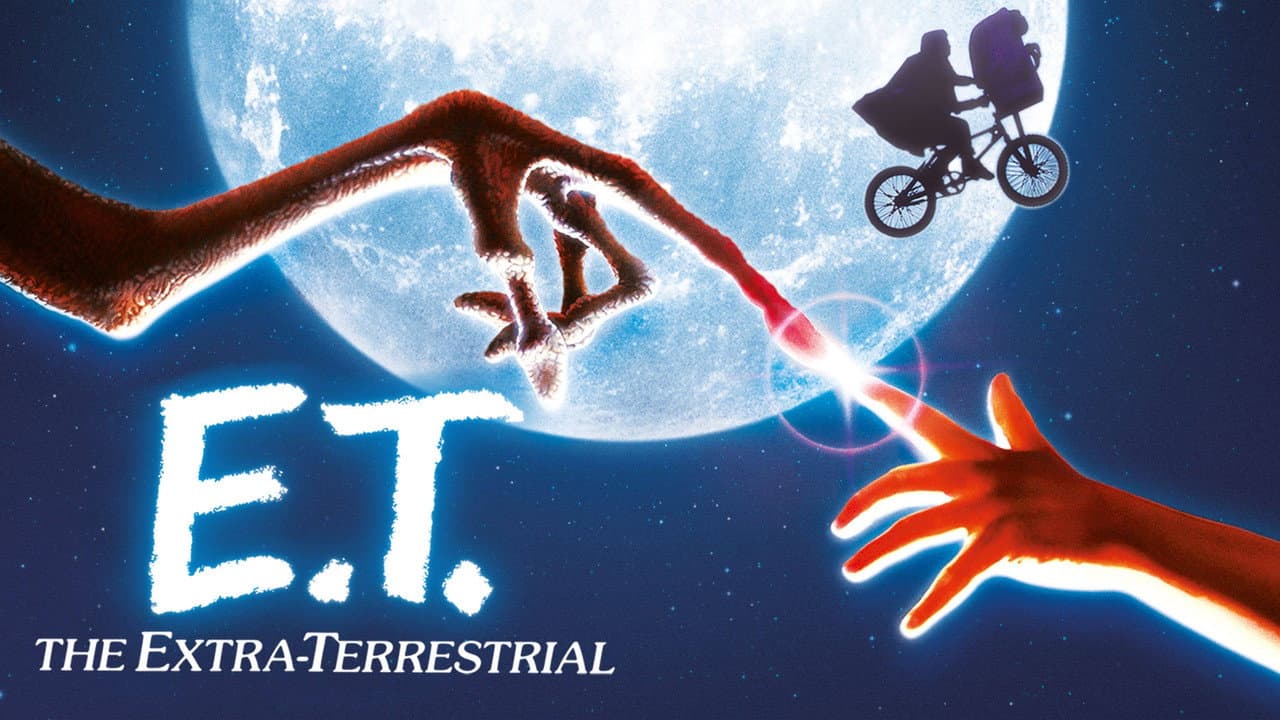
Rambaldi, who died in 2012, spent his career building creatures that audiences couldn't forget - and the one they loved most was a wrinkled, big-eyed alien who just wanted to phone home. His work on E.T. the Extra-Terrestrial, Steven Spielberg's 1982 phenomenon, became the defining achievement of a career spent blurring the line between rubber, mechanics, and genuine soul.
An Italian Craftsman Who Conquered Hollywood
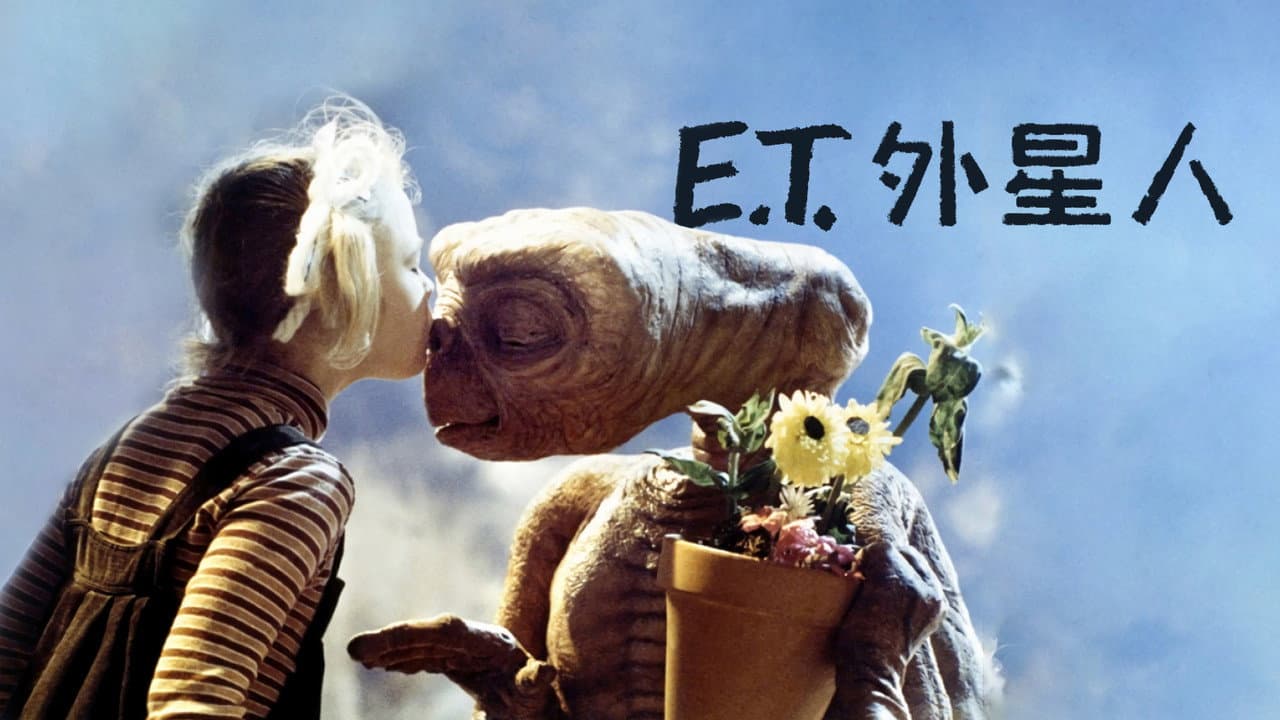
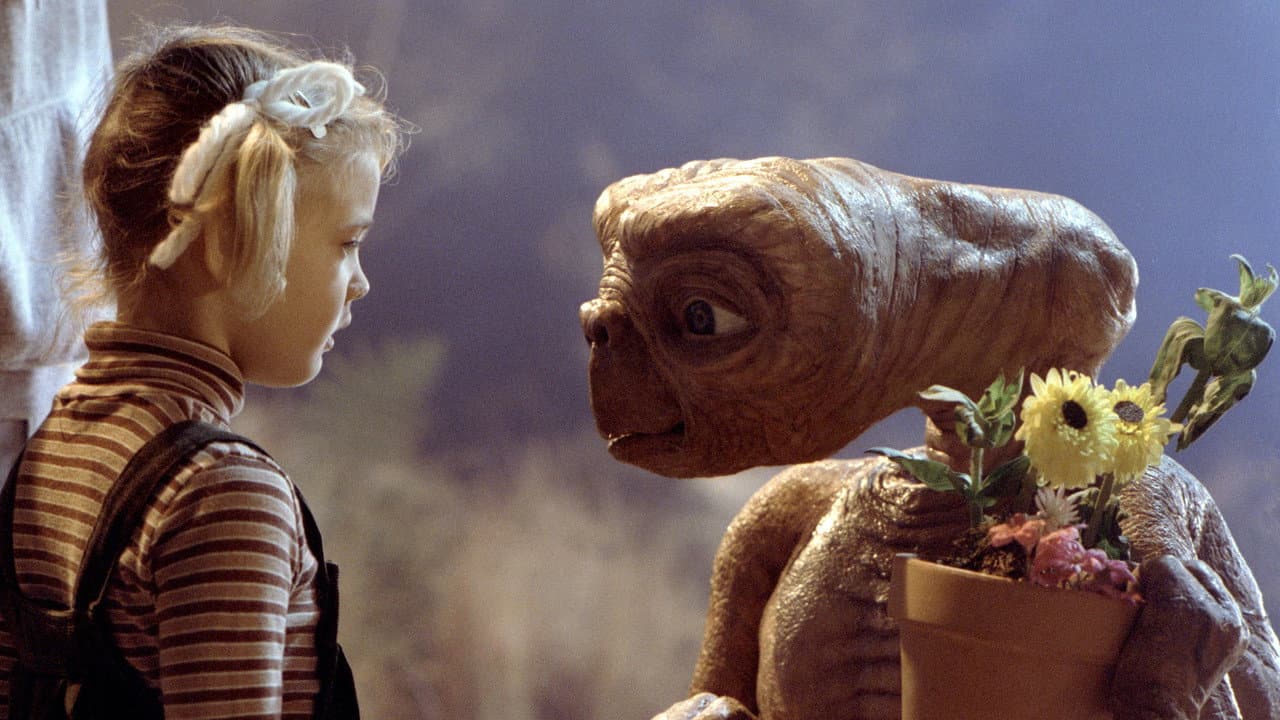
There's a certain poetry here. Rambaldi was born in Bologna and cut his teeth in Italian cinema before Hollywood came calling. By the time he designed the title character of E.T., he was already a known quantity among filmmakers who needed the impossible made physical. The result was a puppet - or rather, a suite of animatronic creations - so expressive that grown adults still get misty-eyed watching a kid on a bicycle say goodbye to his best friend.
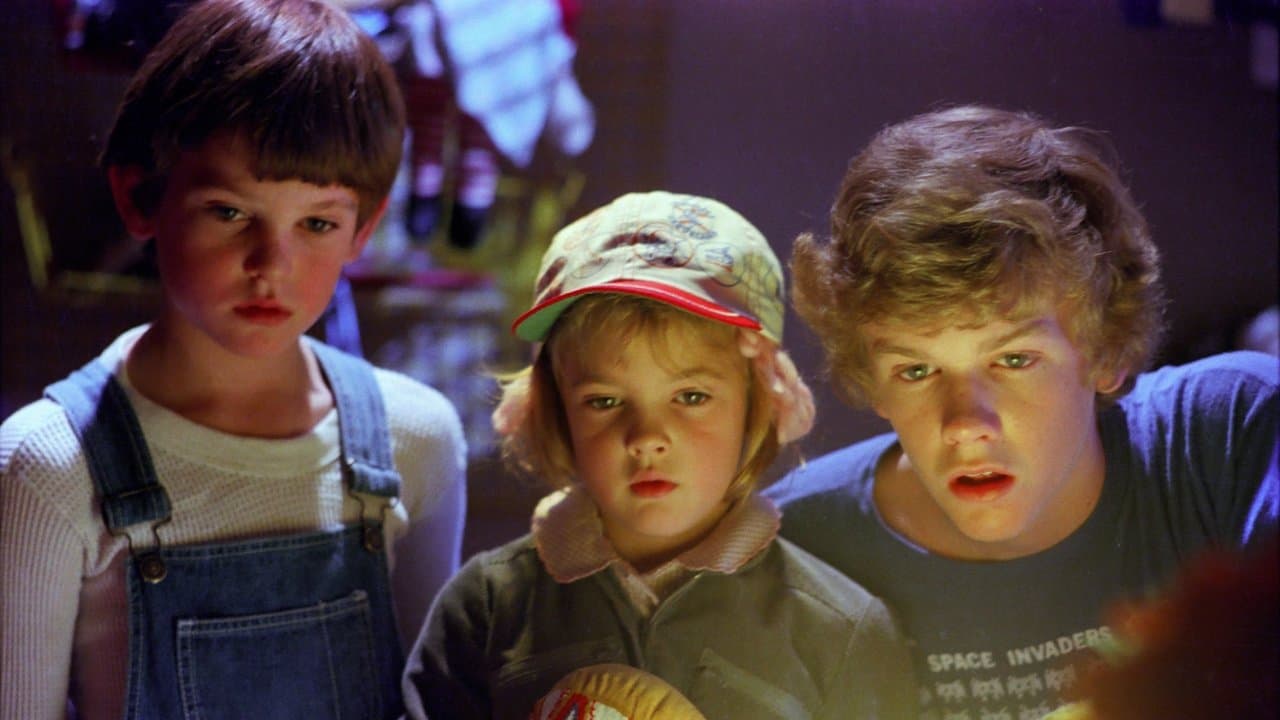
E.T. the Extra-Terrestrial arrived in theaters on June 11, 1982, and became a cultural earthquake. The story follows a stranded alien left behind on Earth and rescued - emotionally more than physically - by ten-year-old Elliott, who hides his new friend at home. As a government task force closes in, Elliott, his brother Michael, and his little sister Gertie build a bond with the visitor that turns a simple sci-fi premise into something closer to a family drama with a glowing finger at its center.
Spielberg directed a cast led by Henry Thomas as Elliott, Drew Barrymore as Gertie, Robert MacNaughton as Michael, Peter Coyote as Keys, and Dee Wallace as Mary. The film runs 115 minutes, blends Adventure, Science Fiction, and Family into one package, and holds a TMDb rating of 7.517/10 - a number that, if anything, undersells how deeply it lodged itself in the pop-culture bloodstream.
Why Italy Cares So Much About a Hollywood Star
The Walk of Fame honor is, on its face, a Los Angeles story. But for Italy, it reads as vindication of a national artistic tradition - the kind of behind-the-scenes craftsmanship that rarely gets the spotlight it deserves. Rambaldi wasn't a movie star. He never gave red-carpet interviews or hosted Saturday Night Live. He was the guy in the workshop, surrounded by wires and latex, figuring out how to make a creature seem like it had a heartbeat.
That's precisely why the recognition resonates. Special-effects and creature design are often treated as technical support rather than authorship, yet Rambaldi's E.T. is arguably the most important "performance" in the film - a creation that had to sell wonder, vulnerability, and a longing for home without saying much of anything in English. Spielberg's camera did the rest, but the puppet had to hold up. It did more than hold up. It became a face printed on lunchboxes, T-shirts, and the collective memory of an entire generation.
Italy's celebration isn't just about a star on a sidewalk. It's about a craftsman from Bologna proving that the most American of blockbusters owed a chunk of its magic to European hands. And for Italian film workers watching from Rome or Milan, the message lands clearly: the invisible artists matter.
The Legacy That Keeps Pedaling
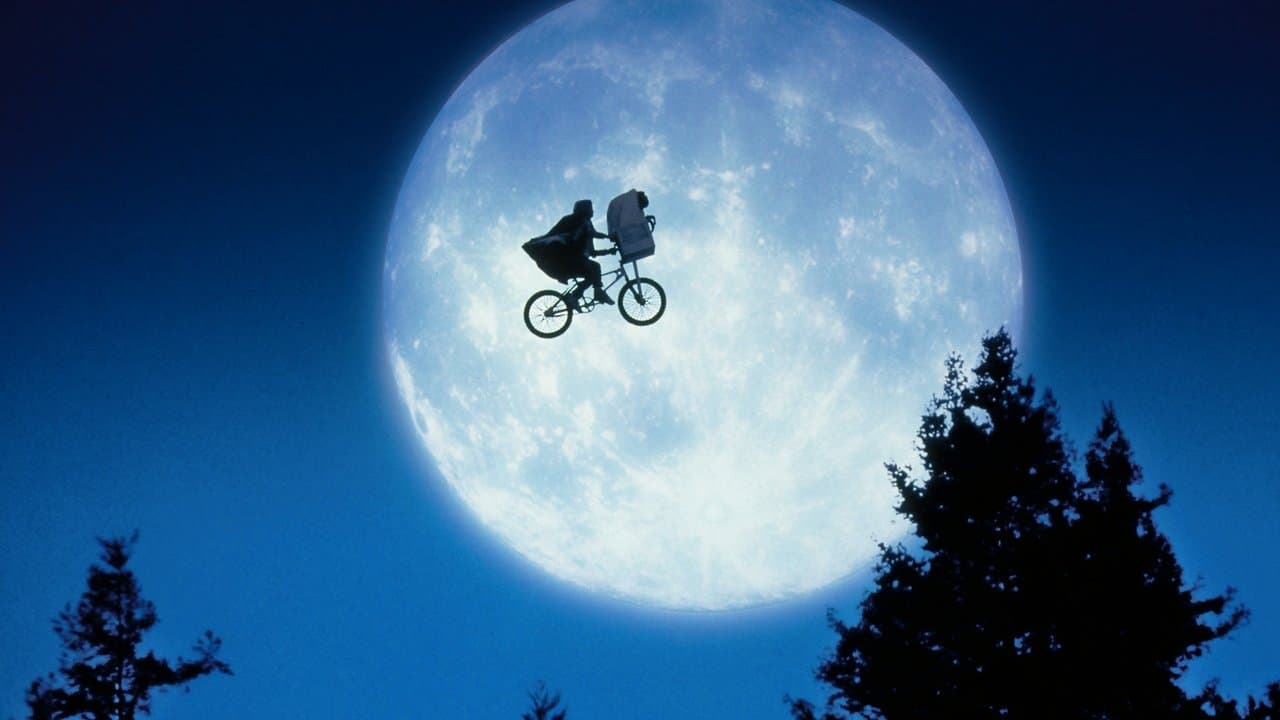
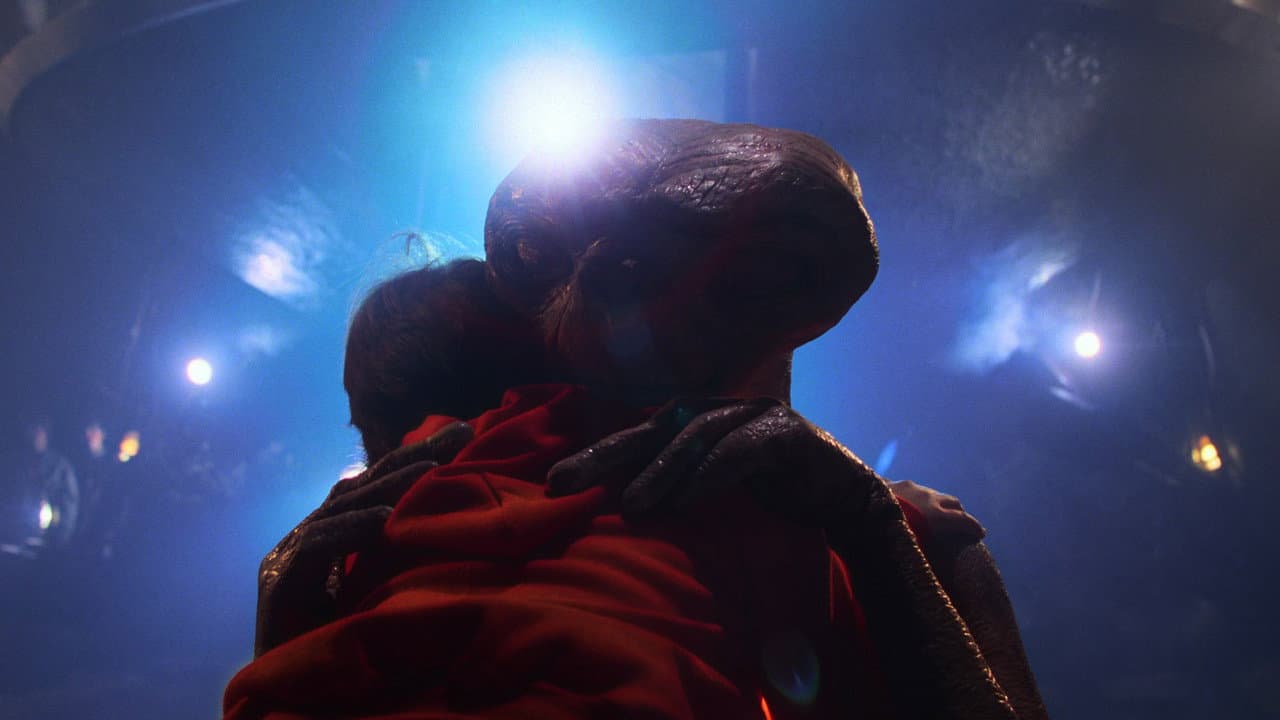
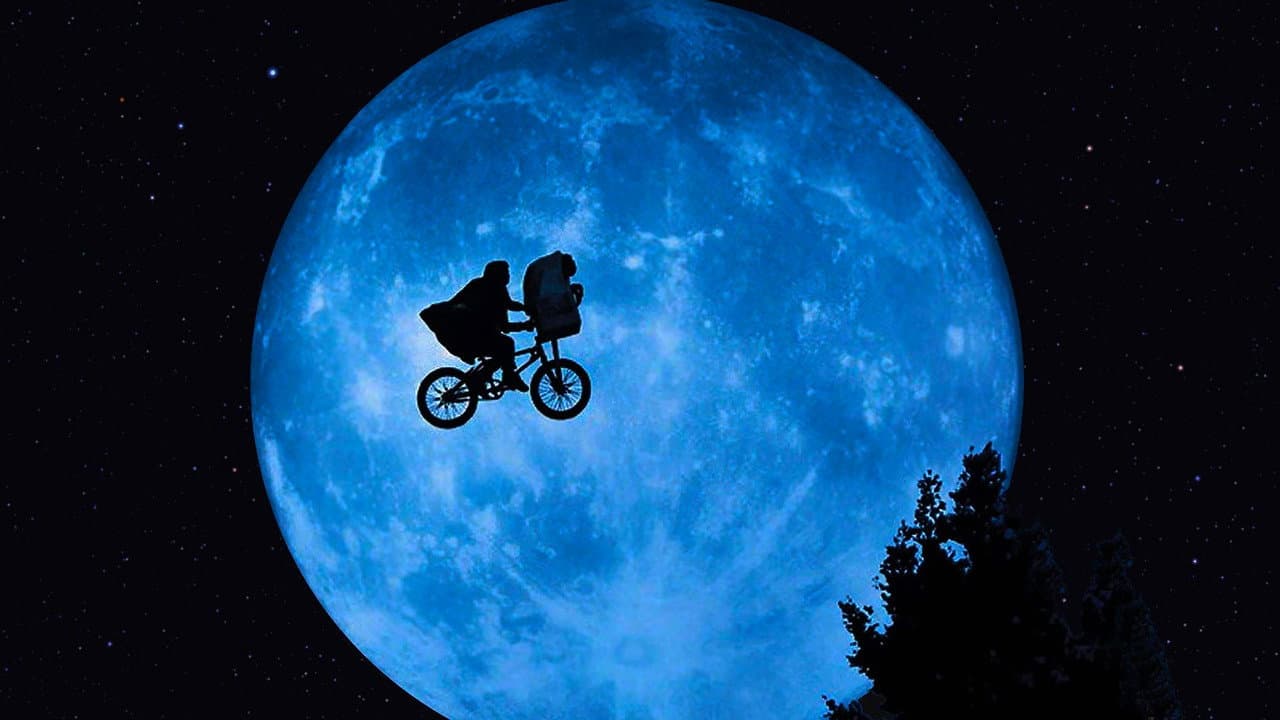
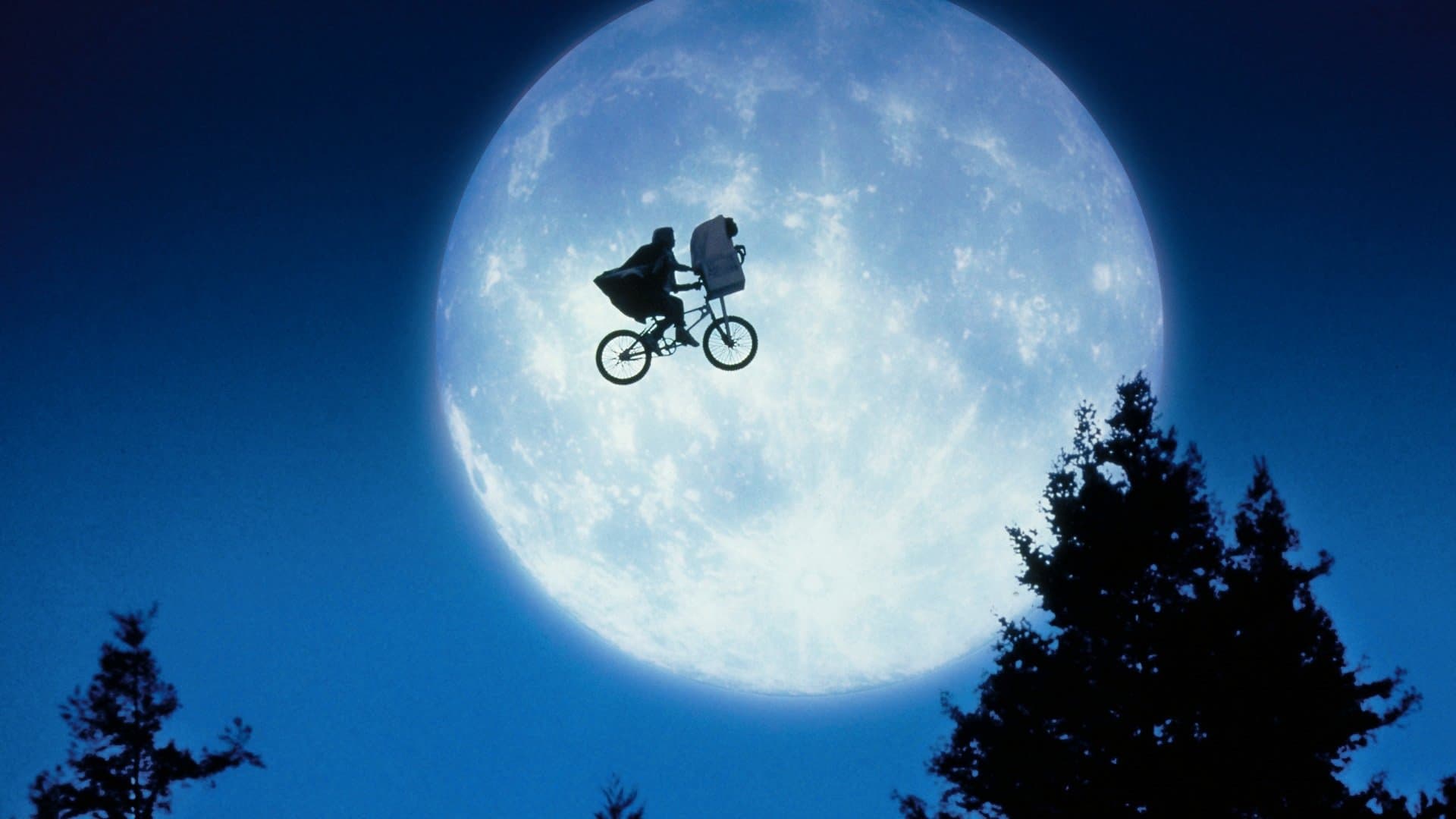
Four decades on, E.T. still works. The bicycle flight over the moon remains one of the most imitated images in cinema. The final farewell - "I'll be right here" - still lands like a punch to the chest. None of that happens without a creature that audiences believe in, and none of that creature happens without Rambaldi.
So when the star is unveiled in Hollywood, expect a few Italians to raise a glass from several thousand miles away. Call it a long-overdue thank-you note to the man who taught a rubber alien how to break hearts. Not bad for a kid from Bologna who liked to build things.
Source: Variety