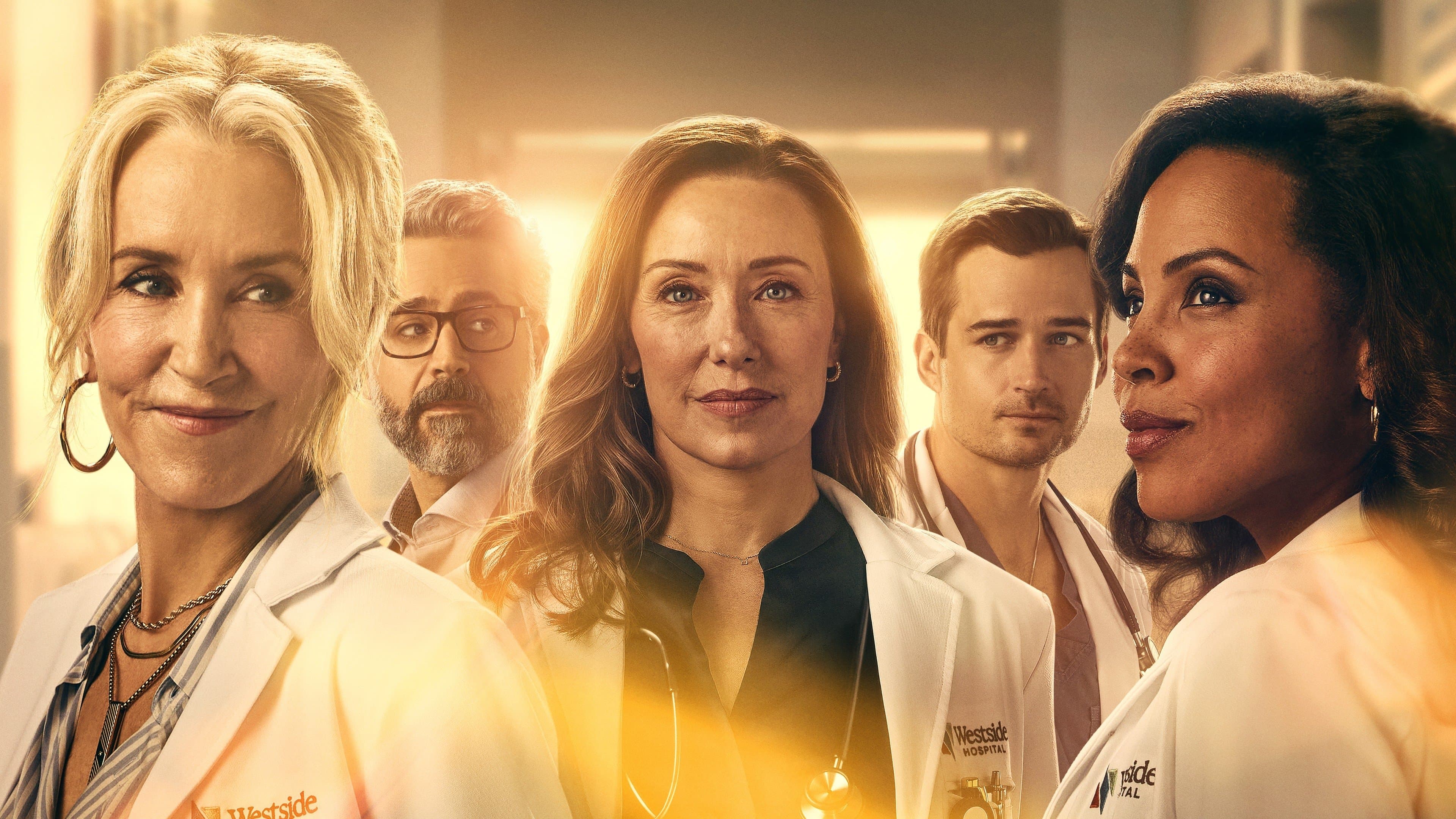
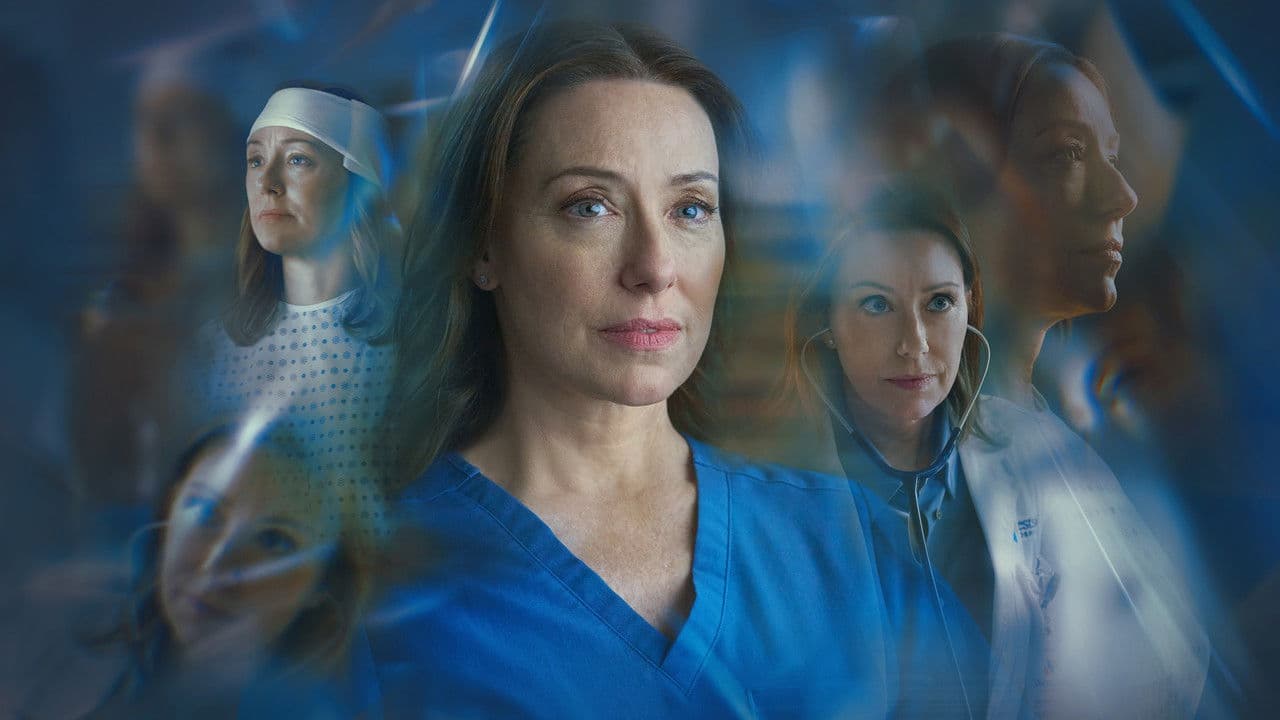
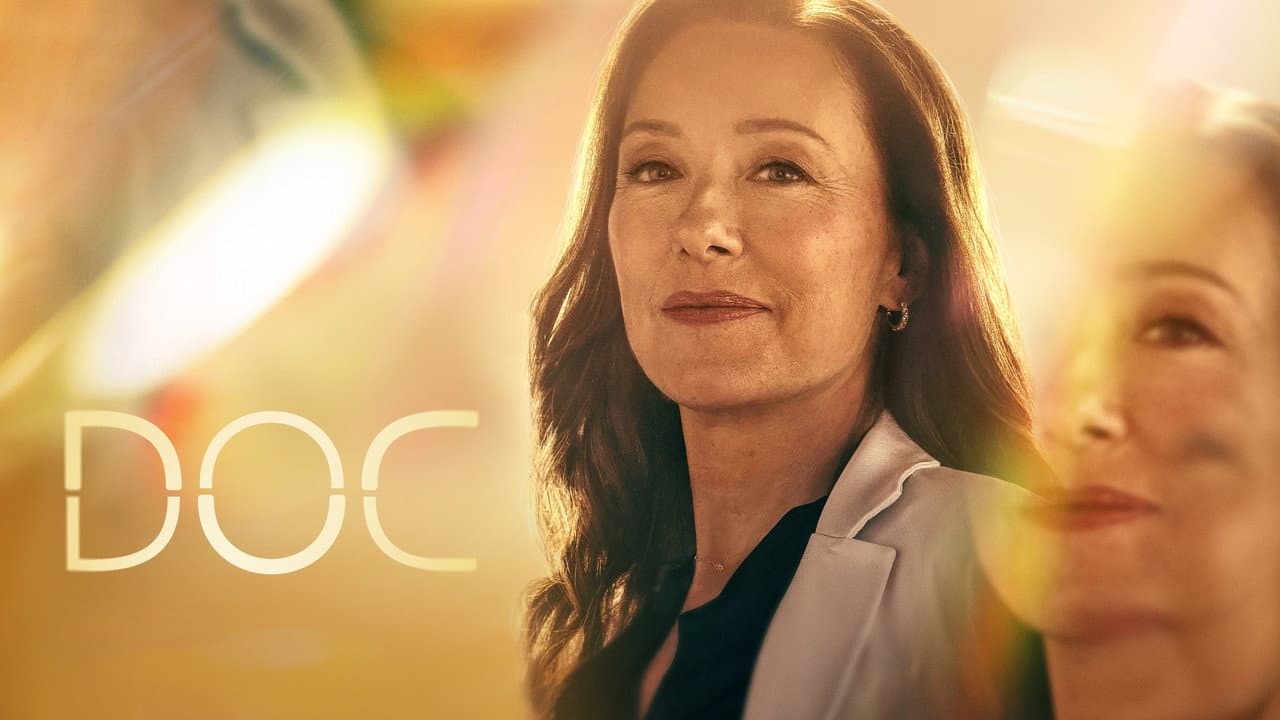
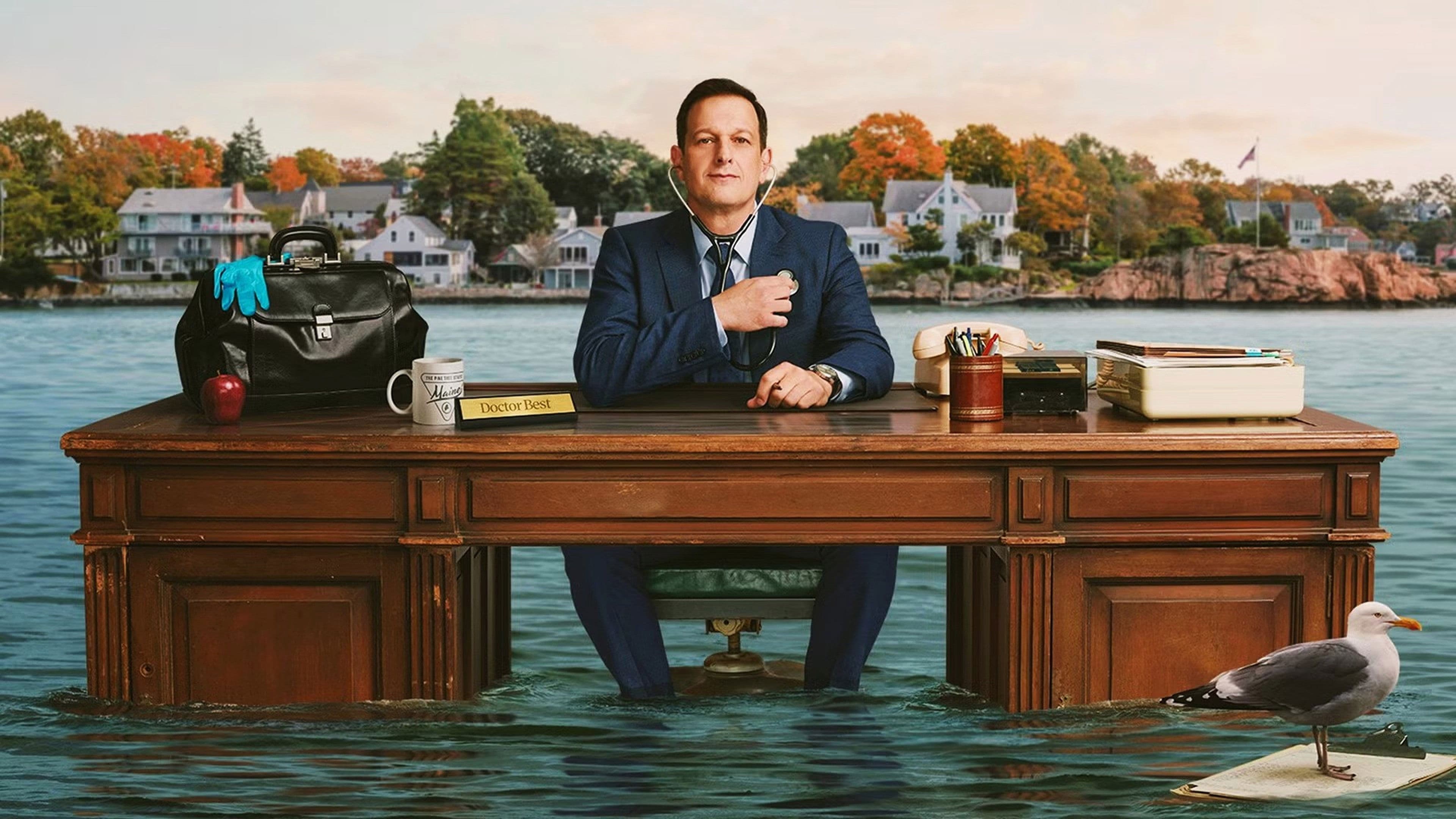
Let's be real: amnesia is one of the hoariest tropes in television. Soap operas have beaten it to death for decades. What makes Doc work - and what Season 3 understands better than its predecessors - is that the memory loss was never the point. It's the collateral damage that counts.
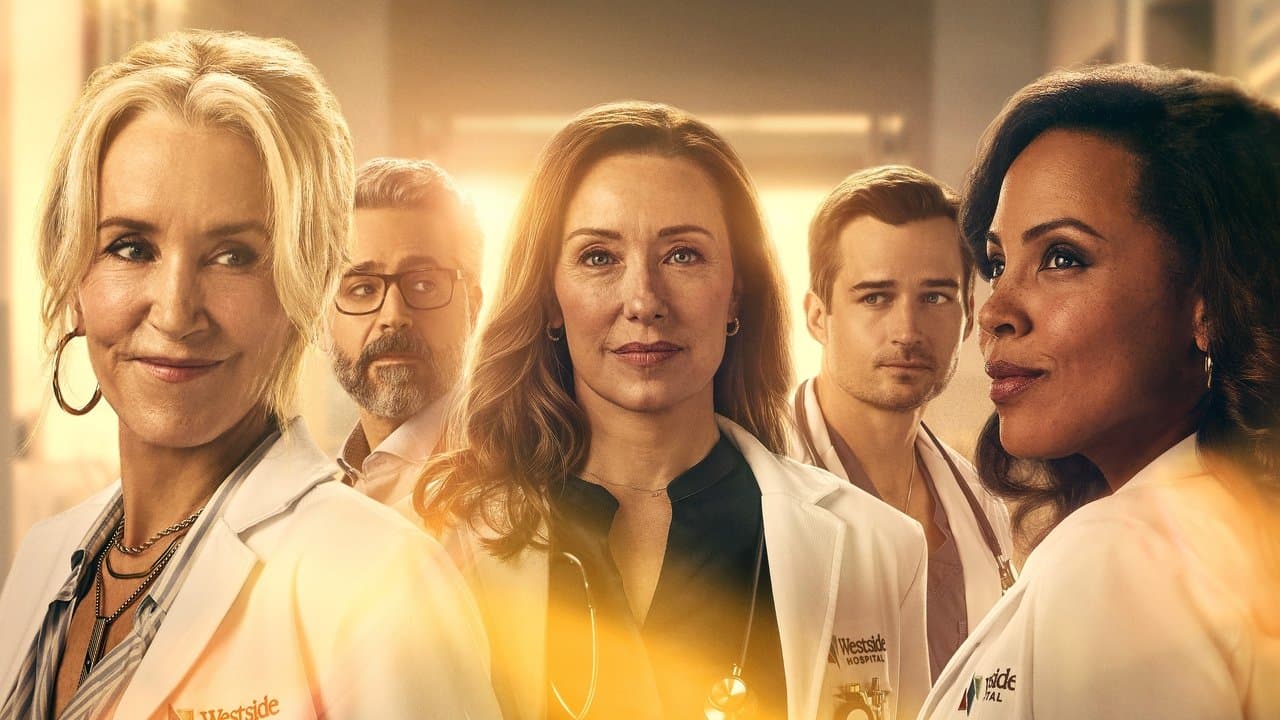
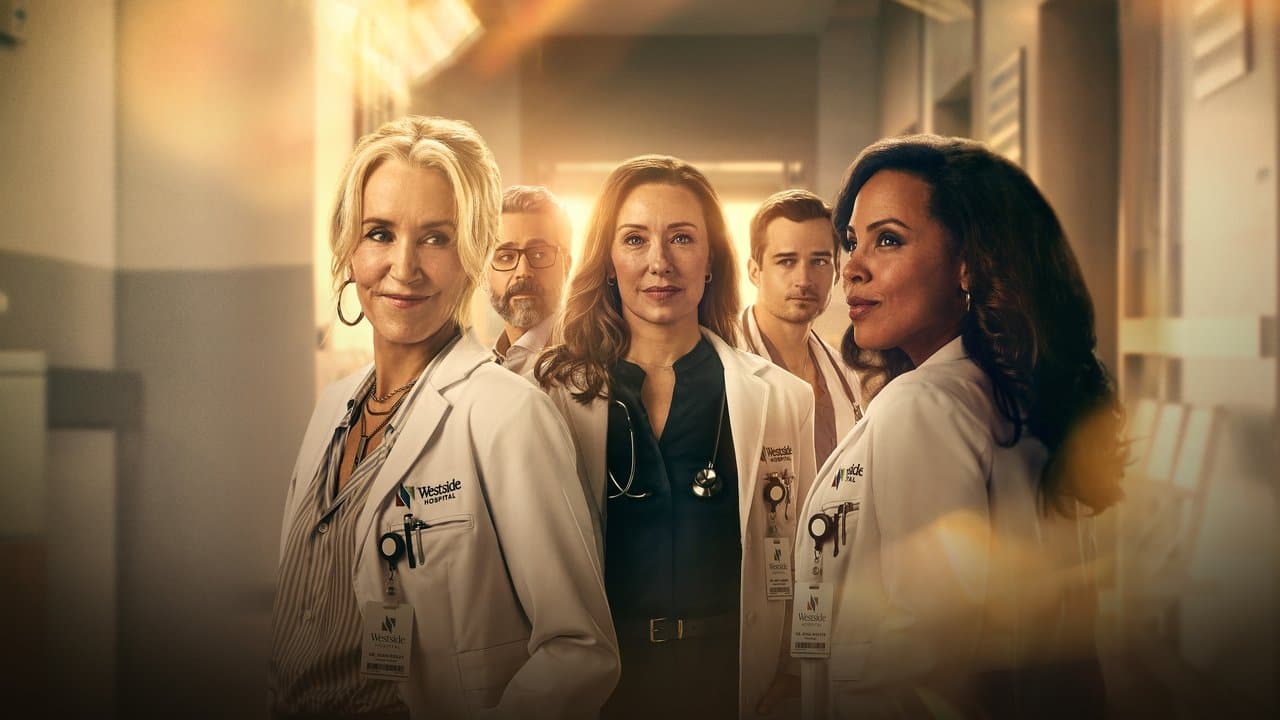
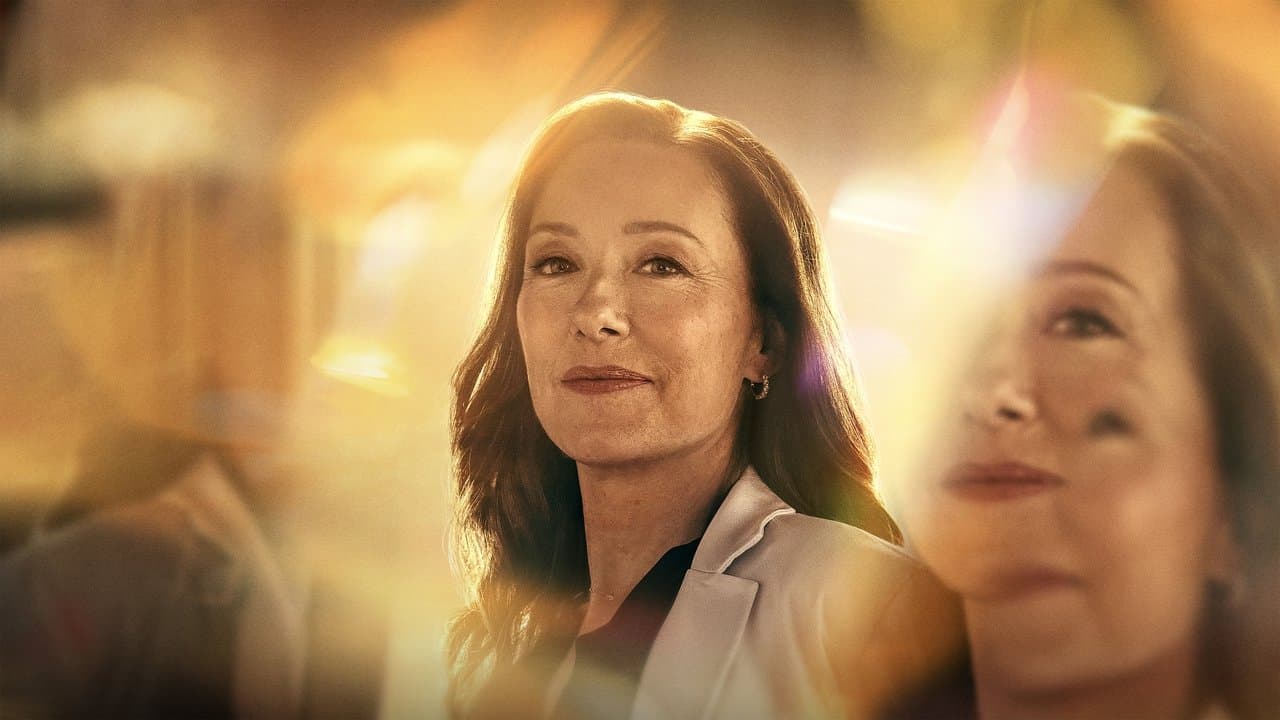
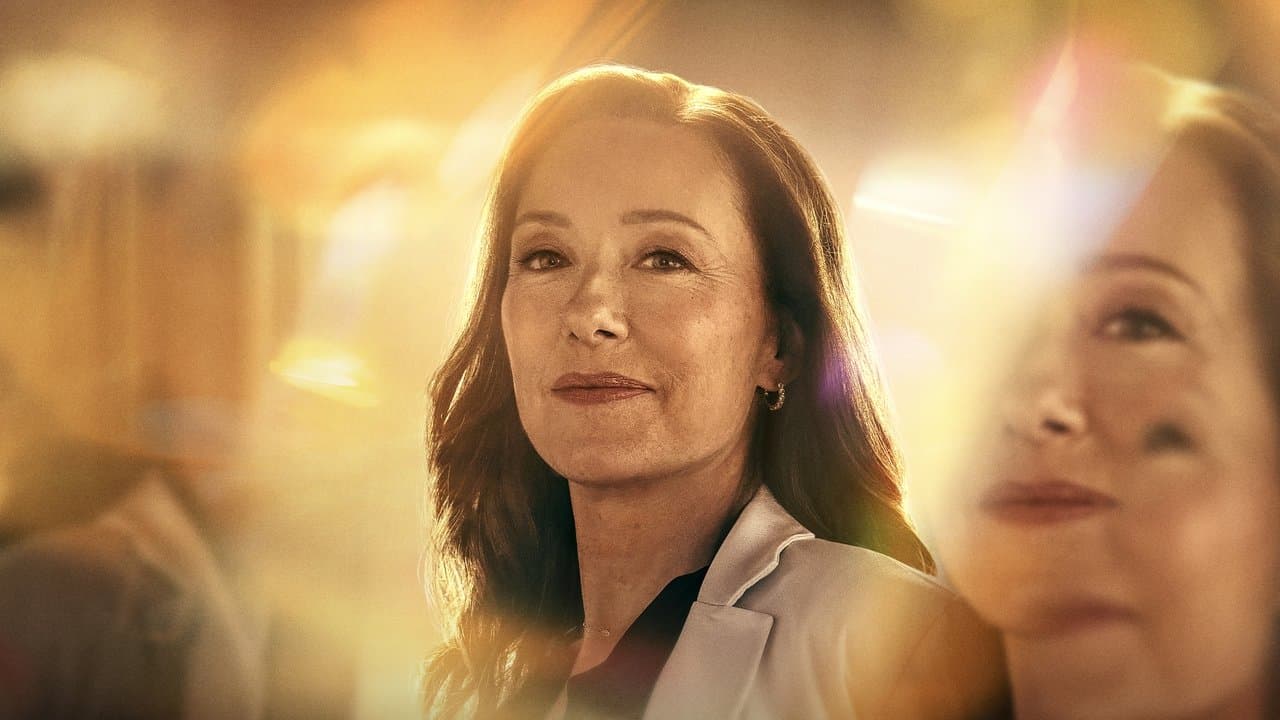
Molly Parker continues to do something genuinely difficult here. Amy isn't a hero or a martyr; she's often prickly, sometimes maddening, and Parker never sands off those edges to make her more likable. That's a flex. The season gives her more silence to work with, more scenes where the grief lives in what she doesn't say, and Parker makes every pause land.
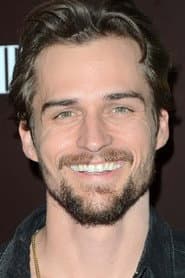
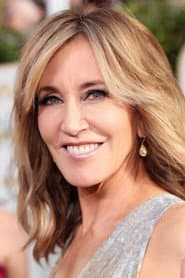
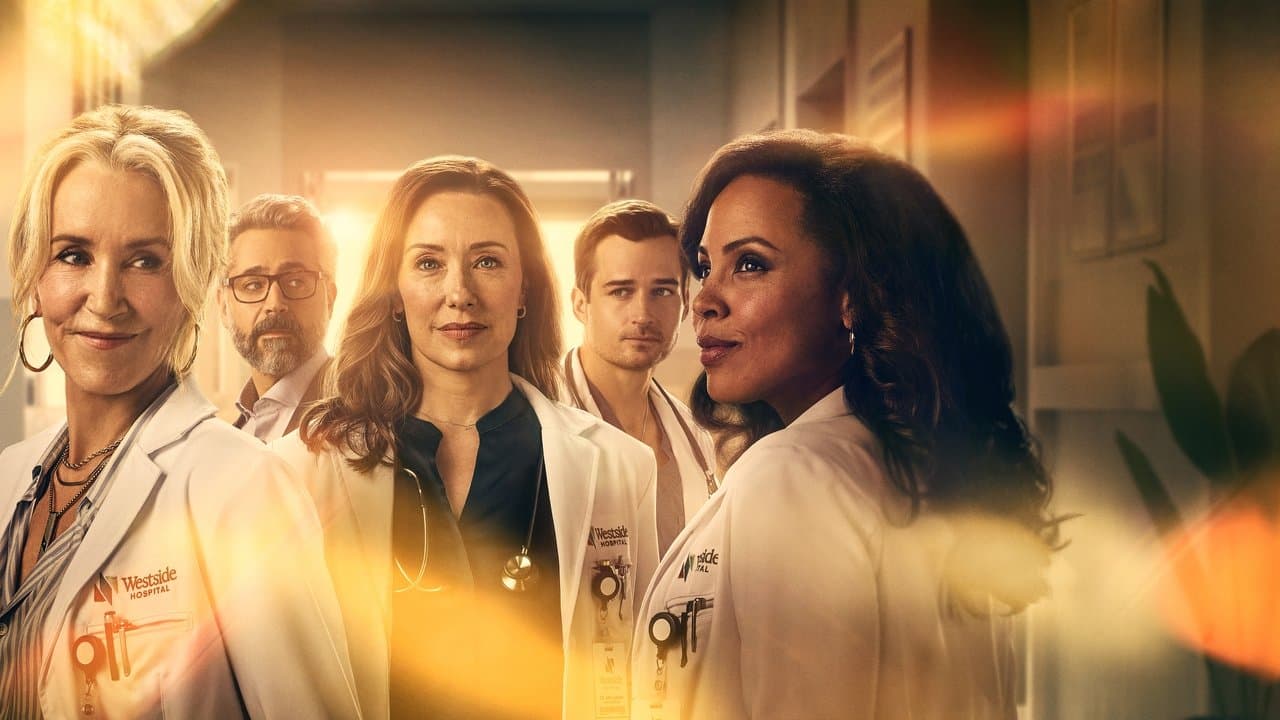
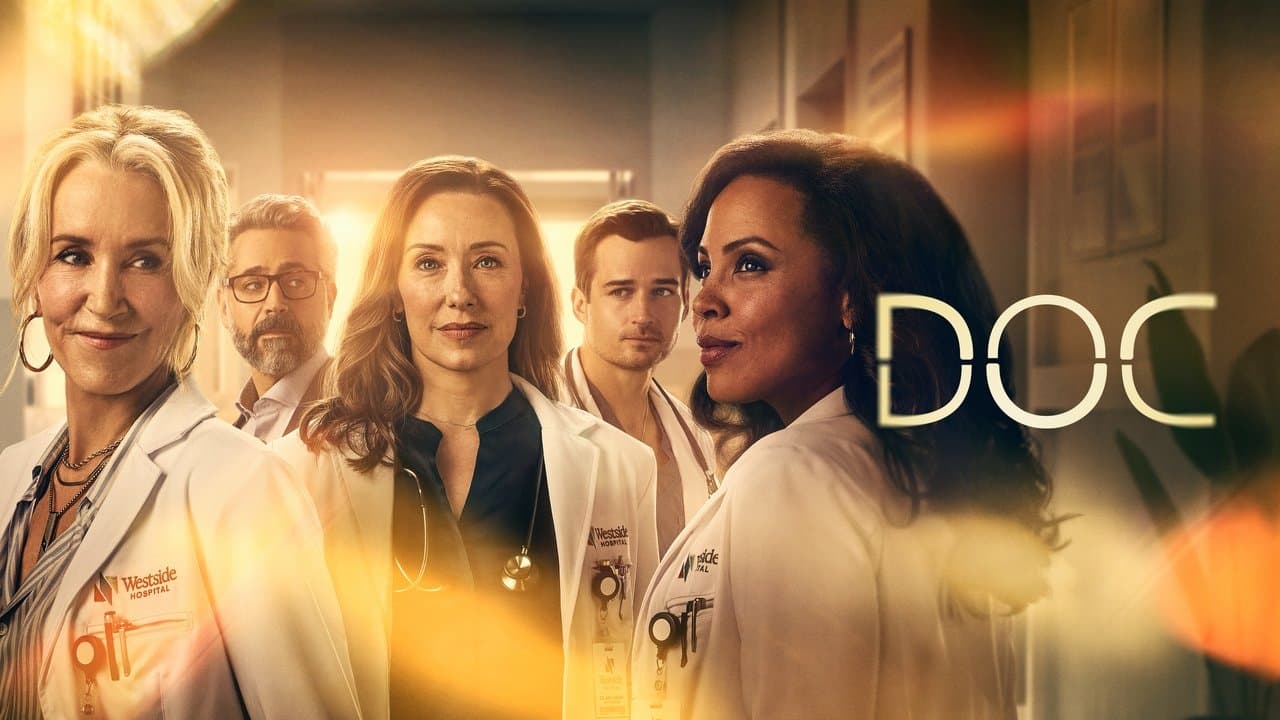
The supporting cast finally gets room to breathe. Omar Metwally's Dr. Michael Hamda is steadier and more complicated than the show has previously allowed, and Amirah Vann's Dr. Gina Walker gets moments that feel earned rather than obligatory. Jon-Michael Ecker brings a looser energy that keeps the hospital scenes from tipping into melodrama, while Felicity Huffman's Dr. Joan Ridley remains a reliably thorny presence - the kind of colleague who makes you check your six.
If there's a wobble, it's pacing. Season 3 occasionally mistakes slowness for depth, lingering in emotional beats that were already fully communicated a scene earlier. A tighter edit would've made the back half hit harder. And while the show is smart about avoiding miracle-cure shortcuts, a few subplots still resolve with a neatness that undersells the messiness the series otherwise embraces.
But when Doc clicks, it really clicks. There's a scene late in the season - no spoilers - where Amy has to admit, out loud, exactly how much she's lost. It's the kind of moment that reminds you why medical dramas have endured for generations: not because we love hospitals, but because we love watching people decide to keep going.
At a 7.3/10 rating on TMDb, audiences are clearly divided between devotees and skeptics. Season 3 should tip a few of those skeptics. It's confident, humane, and unafraid of its own sadness - which, in a TV landscape obsessed with high concepts, feels almost radical.