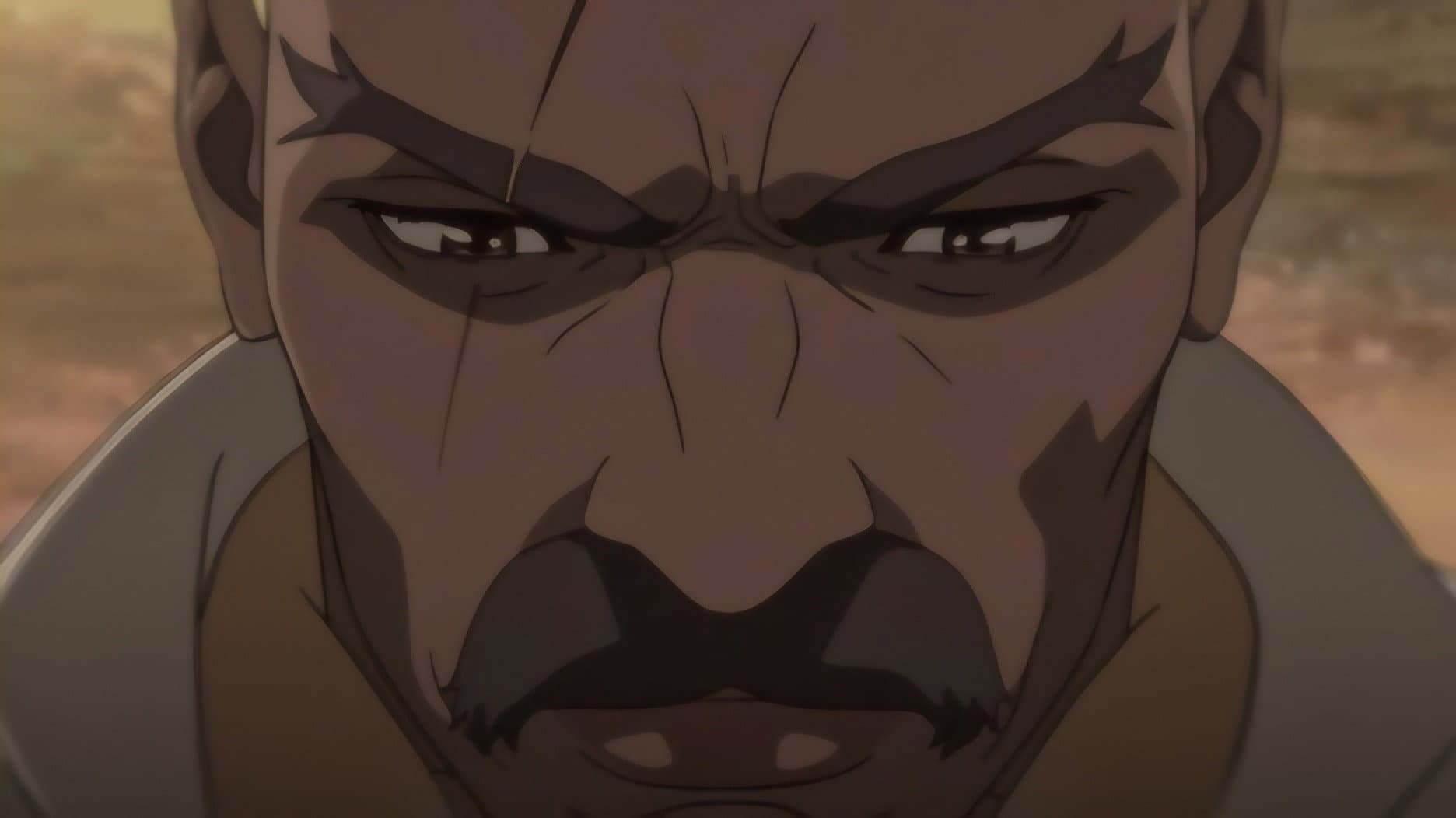
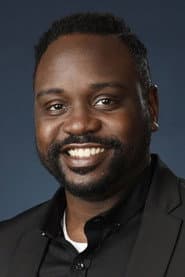
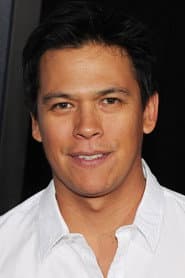
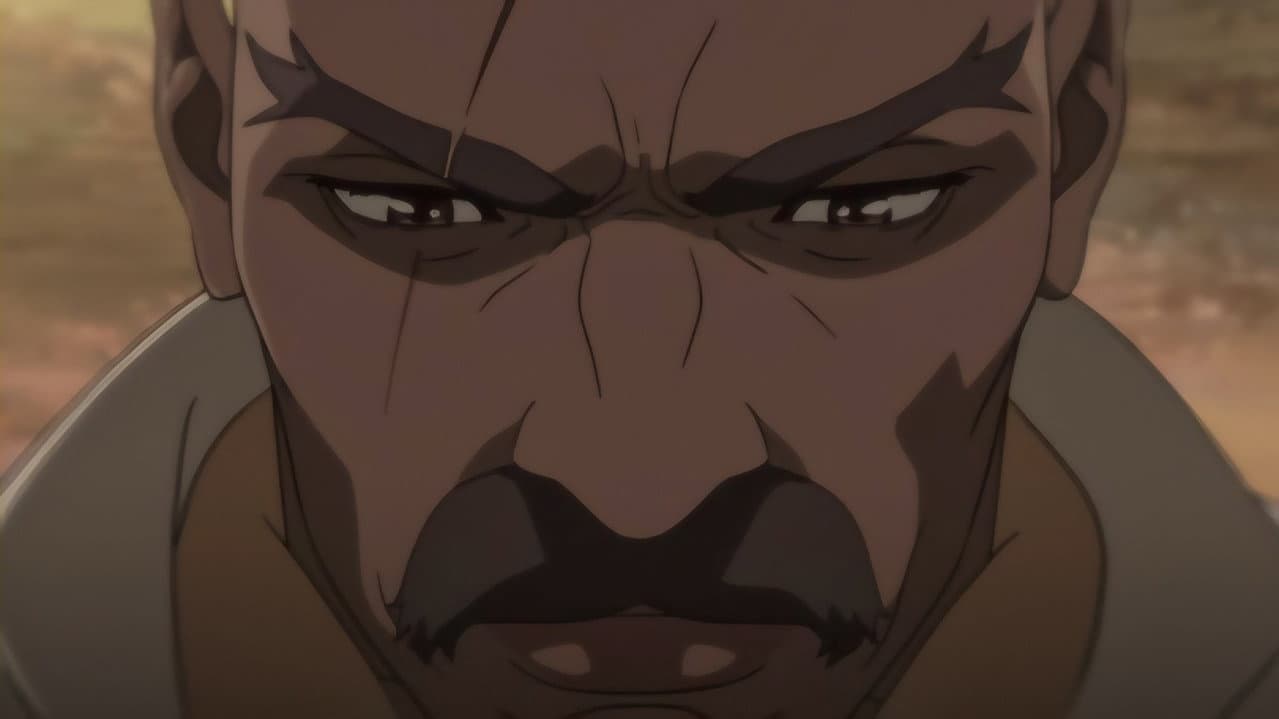
Let's start with the voice cast, because it's absurd in the best way. Brian Tyree Henry voices Bass Reeves, and he brings that low, deliberate cadence that makes every line land like a verdict being read. He's not doing flashy work - he's doing the kind of work where a pause does more than a monologue. Opposite him, Janelle Monáe voices Glory, and her presence is electric; she's got that uncanny ability to sound like she knows more than everyone in the room, which is exactly what the character needs. Tati Gabrielle, Cree Summer, Chaske Spencer, Currie Graham, and Starletta DuPois round out a cast that's stacked top to bottom. Cree Summer is, as always, a chameleon. DuPois brings a warmth that grounds the more fantastical material.
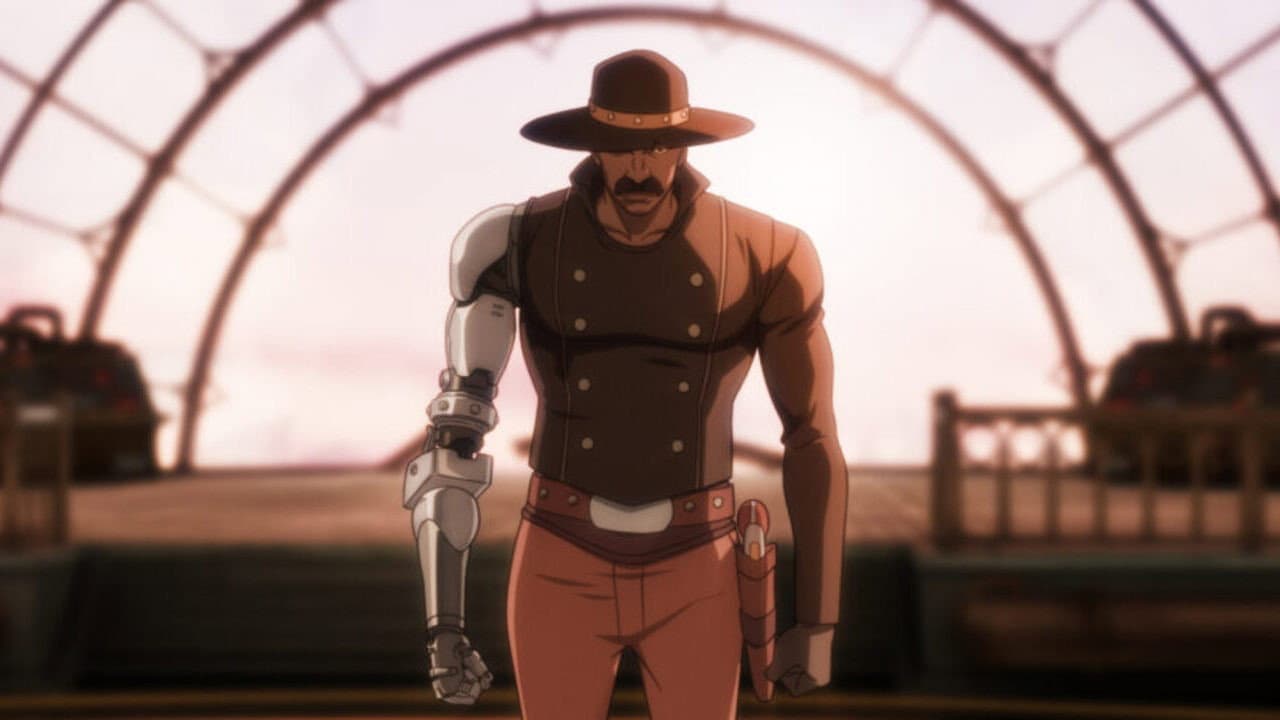
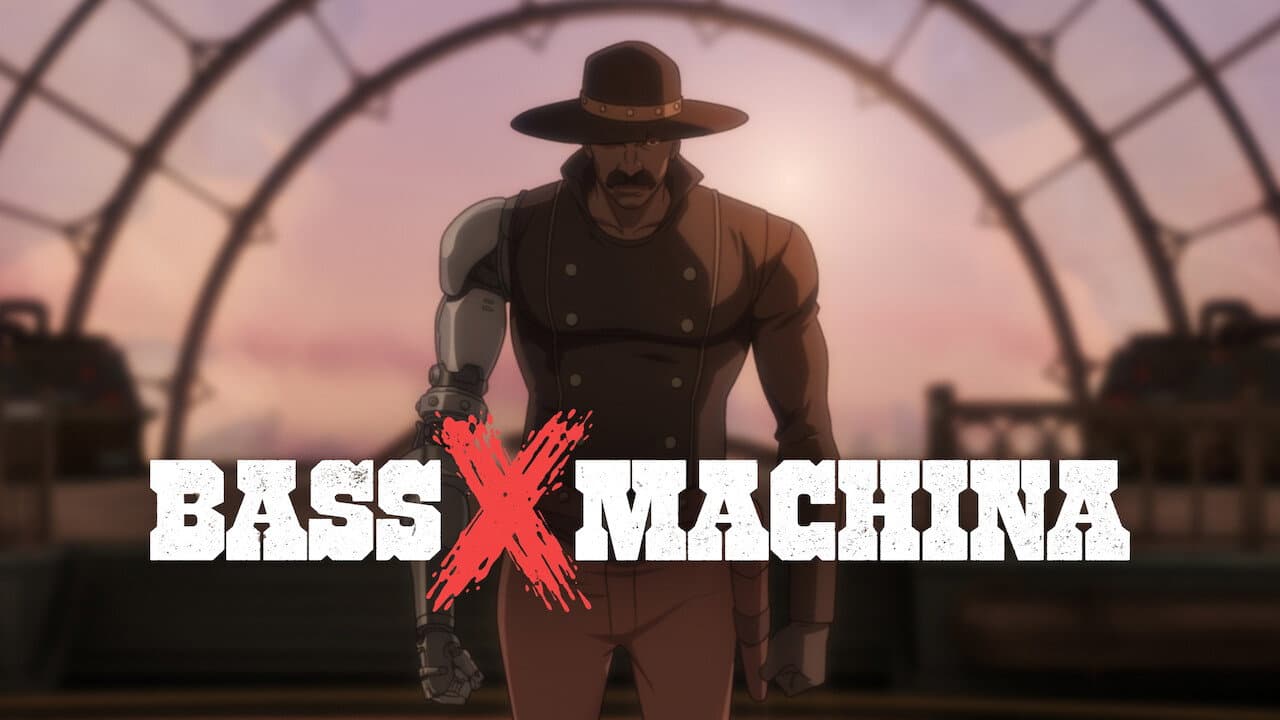
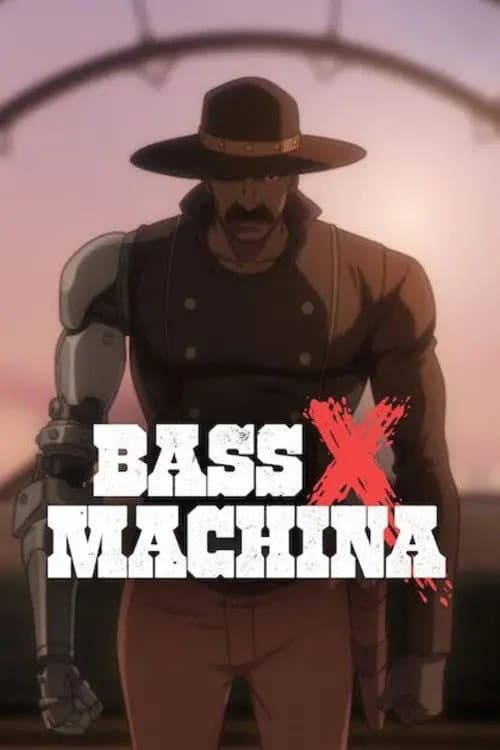
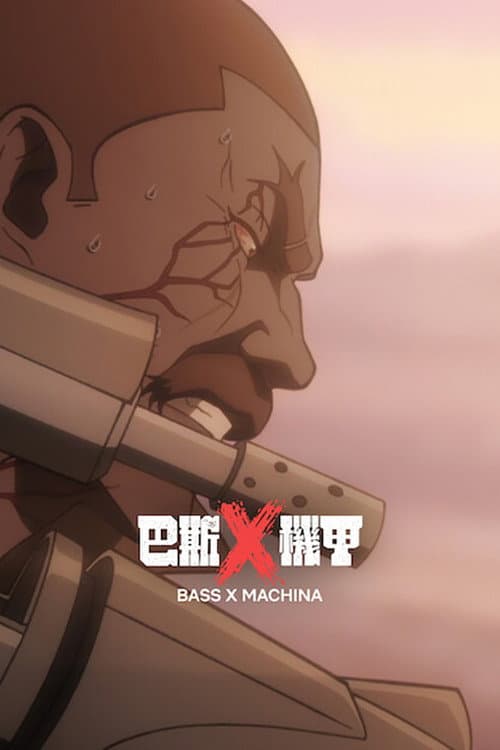
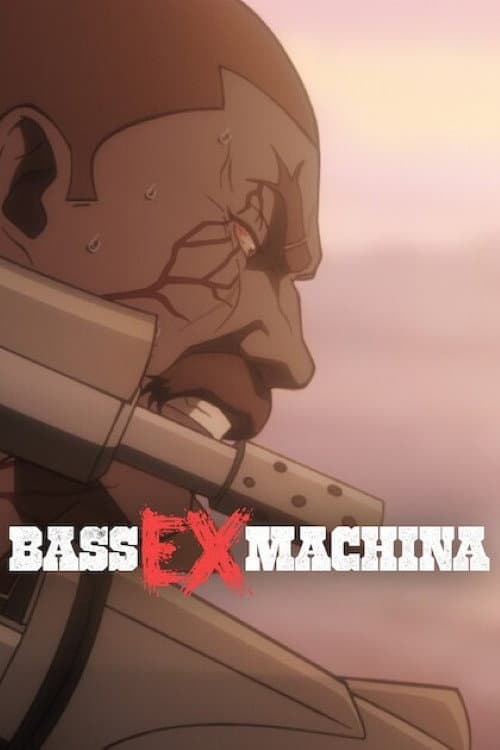
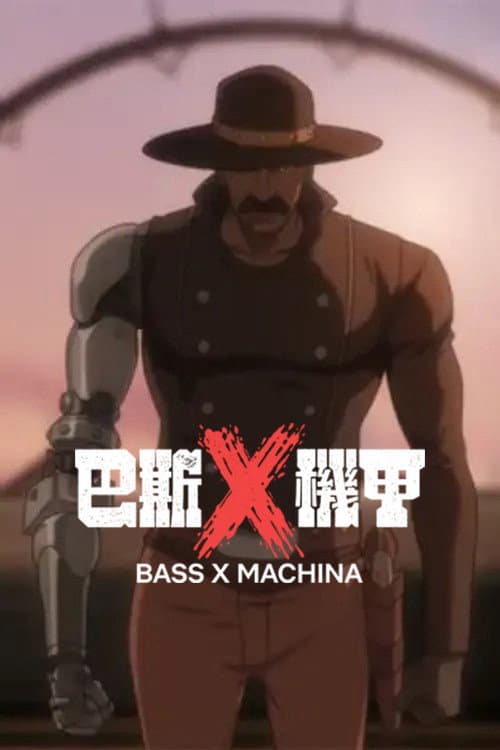
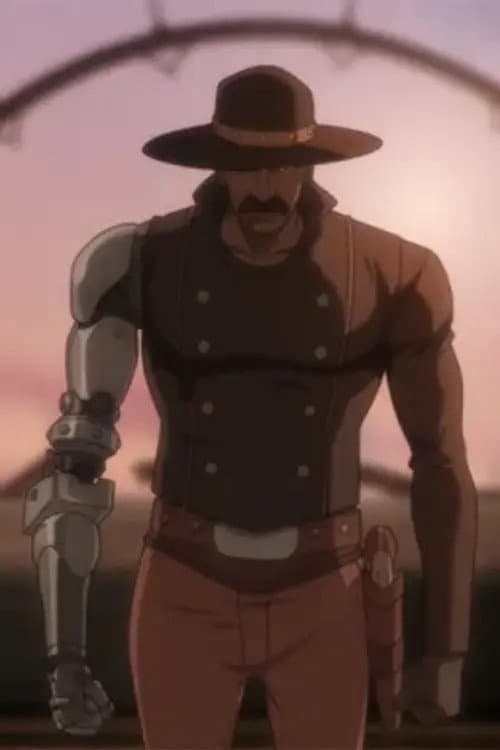
Visually, the series leans into its steampunk Western identity hard. The design work is rich - brass fittings, dust-choked towns, machinery that looks like it was built by someone with more ambition than sense. The supernatural elements are handled with restraint, which makes them creepier when they do show up. This isn't a show that blows its budget on constant spectacle; it builds dread, then cashes it in.
Where it wobbles is pacing. The season has a lot of world to establish, and occasionally the storytelling gets so caught up in lore and atmosphere that the momentum sags. A few stretches feel like the show is clearing its throat before getting to the good stuff. The central premise - a father becoming judge, jury, and executioner - is inherently pulpy, and the series mostly plays that straight, but there are moments where you wish it would lean even harder into the genre-mashup chaos. It's admirably serious, though, and that seriousness is what makes the emotional beats land.
Thematically, it's richer than it has any right to be. Justice versus vengeance, the cost of protection, the way a man can become the very thing he's fighting - these are familiar Western beats, but filtered through a supernatural-mechanical lens they feel fresh. The show trusts its audience to sit with ambiguity rather than handing out easy answers. That's rare, and it's worth celebrating.
It's not a flawless debut. Some threads feel underexplored, and the back half could use tighter focus. But as a first season, Bass X Machina establishes a world I want to keep visiting and characters I want to keep watching. It earns its weirdness.