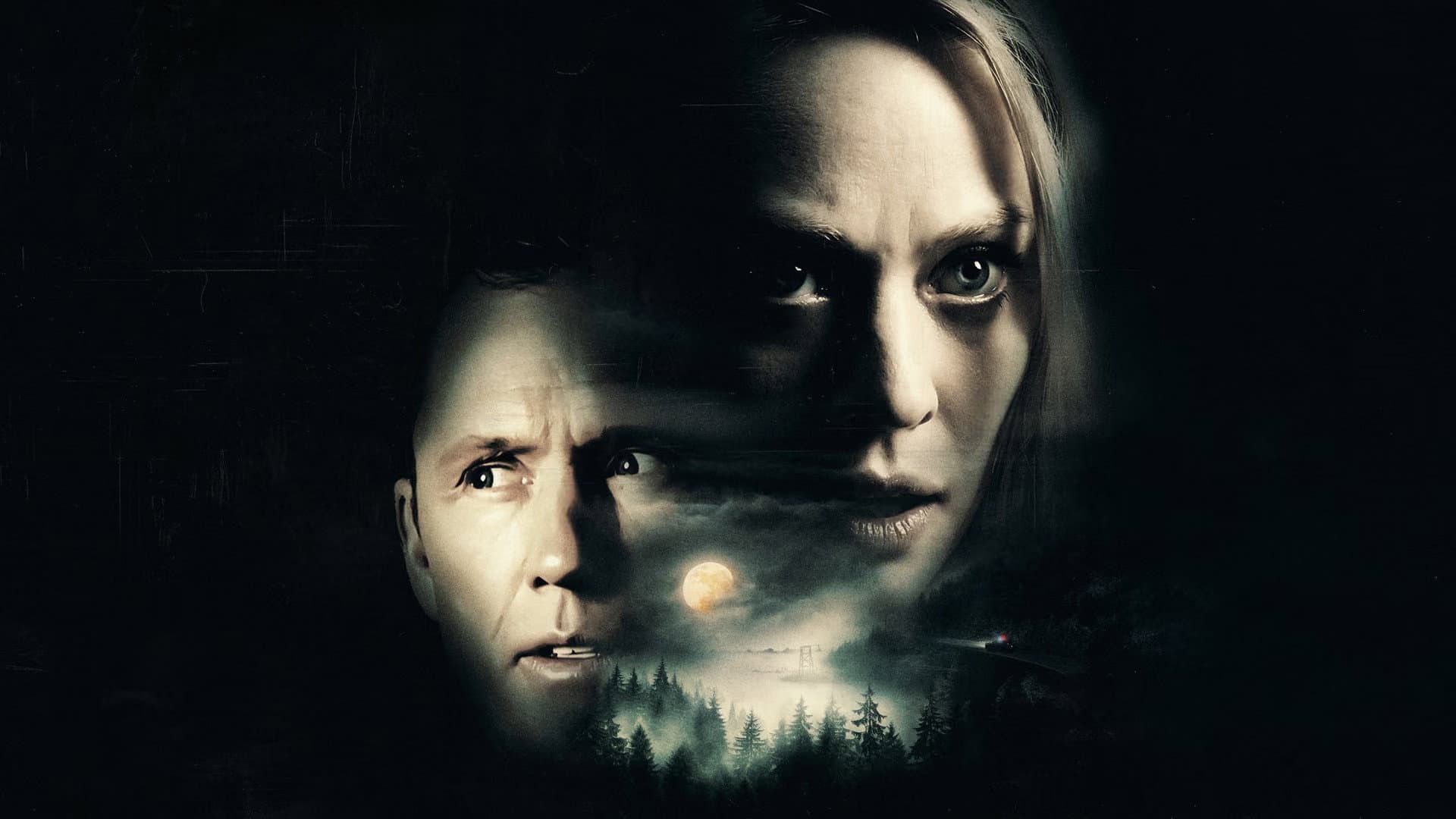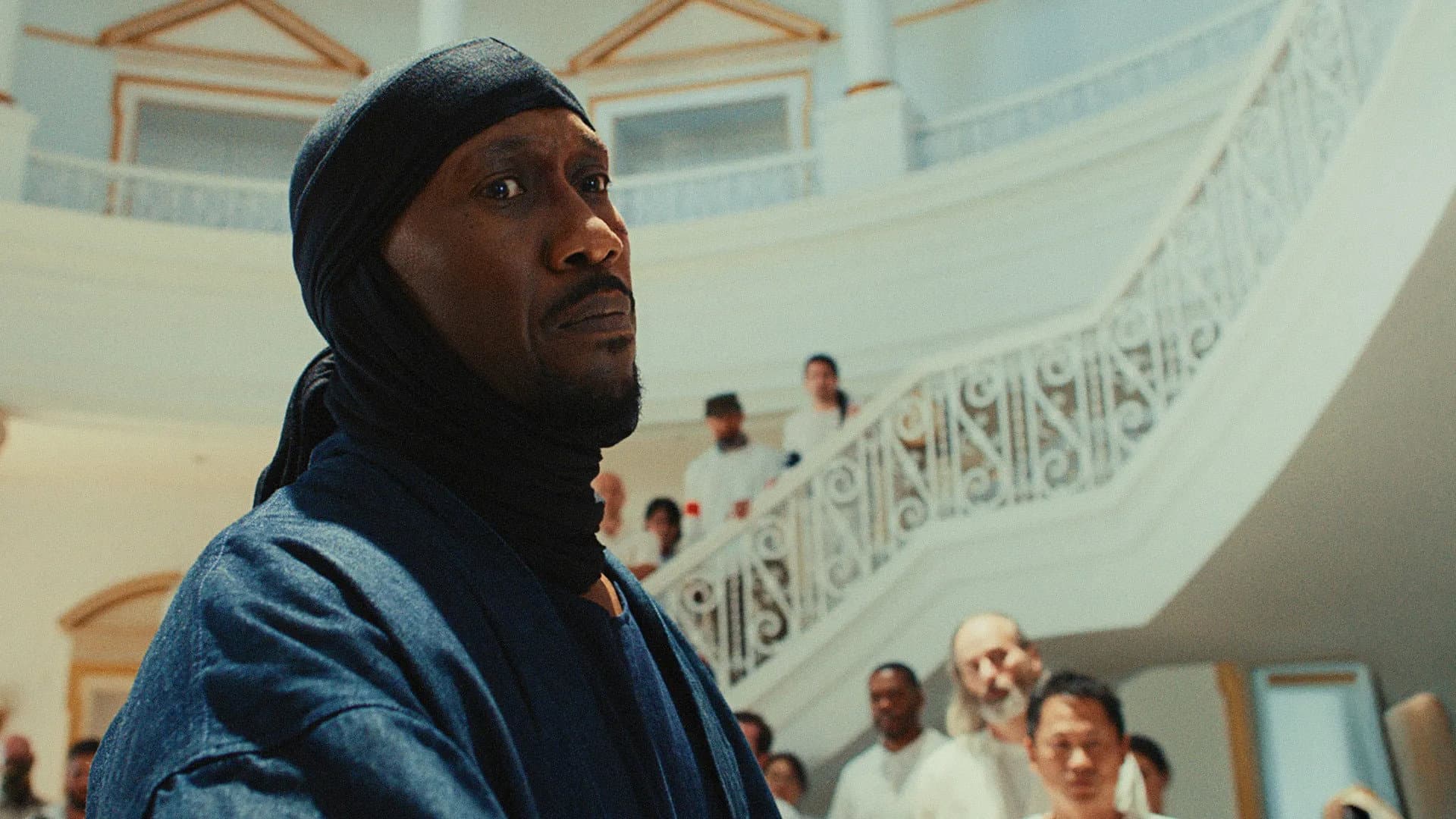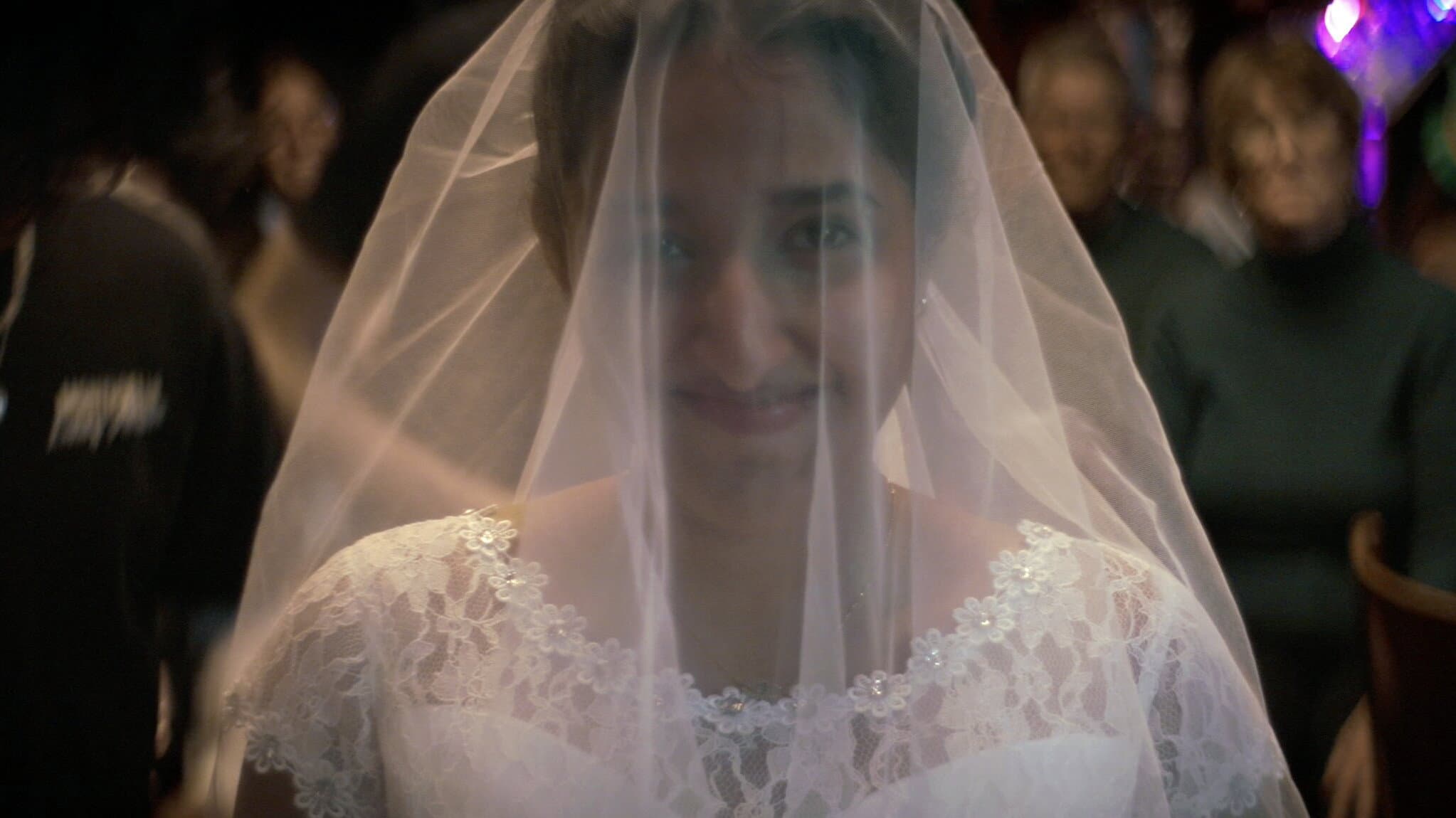
Nine minutes. That's roughly the time it takes to microwave a burrito, sit through two trailers, or scroll past the same three TikToks. It is also, apparently, all the time director Abhay Chandra needs to wreck you emotionally. Afterglow is a short film - a blink-and-you'll-miss-it nine-minute drama with a musical pulse - and it lands today, October 14, 2026. No bloated runtime, no franchise setup, no post-credits teaser for a sequel. Just a lonely kid, an Irish pub, and a dance floor that might be haunted. Honestly? Refreshing.
Release Date & Where to Watch
Afterglow is out now, as of today, October 14, 2026. If you were hoping for a 3,000-theater rollout with collectible popcorn buckets, temper those expectations - this is a short film, and shorts live their best lives on the festival circuit and streaming platforms. Think of it the way you'd think of a great single: you don't need the whole album, you just need nine minutes in a dark room with your headphones on. We'd suggest keeping an eye on the usual indie-friendly streaming homes and festival lineups, because a movie with this premise tends to travel fast once word gets out. At nine minutes, there's zero excuse not to press play the second you find it.
Cast & Crew
Chandra directs, and he's assembled a small but intriguing ensemble to carry his story. Vivhan Mehra plays Aarav, the Indian student drifting through Boston with more weight on his shoulders than his backpack. Opposite him is Megan Aloise as Fia, the mysterious Irish girl who does what mysterious Irish girls in movies do best - drag the protagonist somewhere he wasn't planning to go, literally and otherwise. Naisha Deorah rounds out the cast as Meera, a name that feels loaded with history given the film's whole memory-versus-reality gambit. And credit where it's due to Cormac Marnell, billed as Band Member #1, which is either the most honest character name in cinema history or a stealth joke from the production team. We're going with both.
The crew side is where brevity becomes a virtue. Nine minutes means every frame has to earn its place - no filler subplots, no third-act detour, no scene where somebody explains the theme out loud in a parking garage. Chandra is working with a tight canvas and a clear intention, and that kind of discipline is exactly why short films can hit harder than two-hour epics that never quite figure out what they're about.
Story & What to Expect
Here's the setup: it's St. Patrick's Day in Boston, which is basically the Super Bowl for people who love the color green and questionable decisions. Aarav, a lonely Indian student, wanders into a lively Irish pub - the kind of place where the music is loud enough to drown out whatever you're avoiding. Enter Fia. She pulls him onto the dance floor. And then something strange happens.
As they dance, the boundary between memory and reality begins to dissolve. That's the hook, and it's a good one. This isn't a meet-cute; it's a meet-catastrophe for the heart. Aarav is forced to confront the grief he's been dragging around like an unclaimed suitcase at baggage claim - the kind you keep circling past because opening it means admitting the trip is over.
The genres are Drama and Music, so expect the soundtrack to do heavy lifting. Dance scenes are sneaky like that - they can be joyful, romantic, or devastating depending on the song, and in a nine-minute film, choreography becomes storytelling. The pub itself is a character: warm, chaotic, full of strangers who feel like family for one night. And that St. Patrick's Day setting isn't random. It's a holiday built on communal joy, which makes it the perfect backdrop for a story about private sorrow. Everybody's celebrating. Aarav is drowning. Fia is the wave.
What should you expect, tonally? Think less "big emotional monologue in the rain" and more "quiet devastation with a fiddle in the background." Short films rarely have time for catharsis-by-speech, so Chandra is almost certainly going visual - glances, touches, a dissolve here, a memory fragment there. The title says it all. An afterglow is the light that lingers after the source is gone. That's grief. That's memory. That's this movie.
Also worth noting: the film's TMDb rating currently sits at 0/10, which just means nobody's rated it yet, not that it's secretly terrible. Somebody log in and fix that, please.
Why It's Worth Watching
Let's be real about the marketplace. October 2026 is stacked with sequels, reboots, and things with Roman numerals. Afterglow is none of that. It's a nine-minute original story about love, loss, and the space between them - the kind of movie you watch once and then sit in silence for a minute afterward, which is a compliment.
There's also something genuinely exciting about the pairing at its center. Aarav and Fia come from different worlds, and the film uses that collision - Indian student meets Irish pub - to say something about how grief transcends geography. Trauma doesn't care what continent you're on. Neither does connection. And the memory-reality blur gives the whole thing a dreamlike tension. Is Fia real? Is the pub? Does it matter, if the feeling is? That's the kind of question a short film can leave dangling without cheating you, while a feature would feel obligated to answer it and probably ruin the mood.
And hey - nine minutes. You've spent longer choosing what to watch. Afterglow is already out, it's already made, and it's asking for less of your time than your morning coffee break. Watch it for the dance, stay for the ache. Then go hug somebody. Or call your mom. Or at least text her back - she's been waiting since Tuesday.