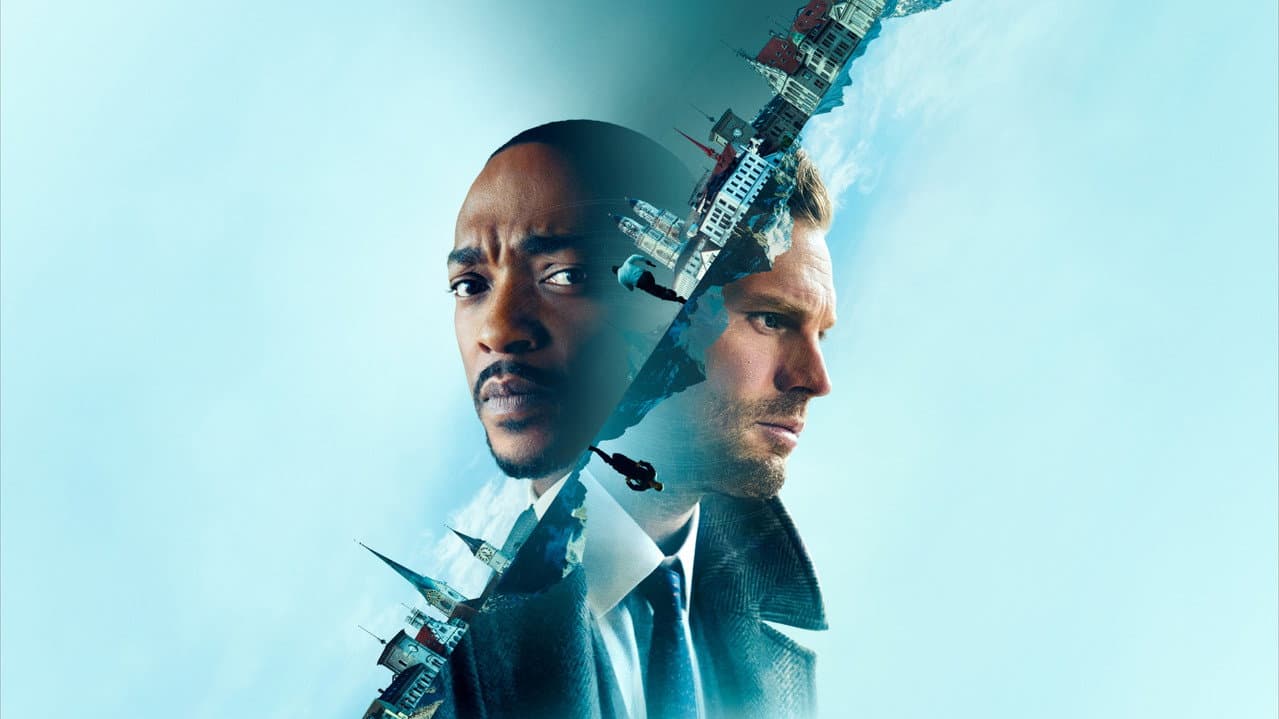
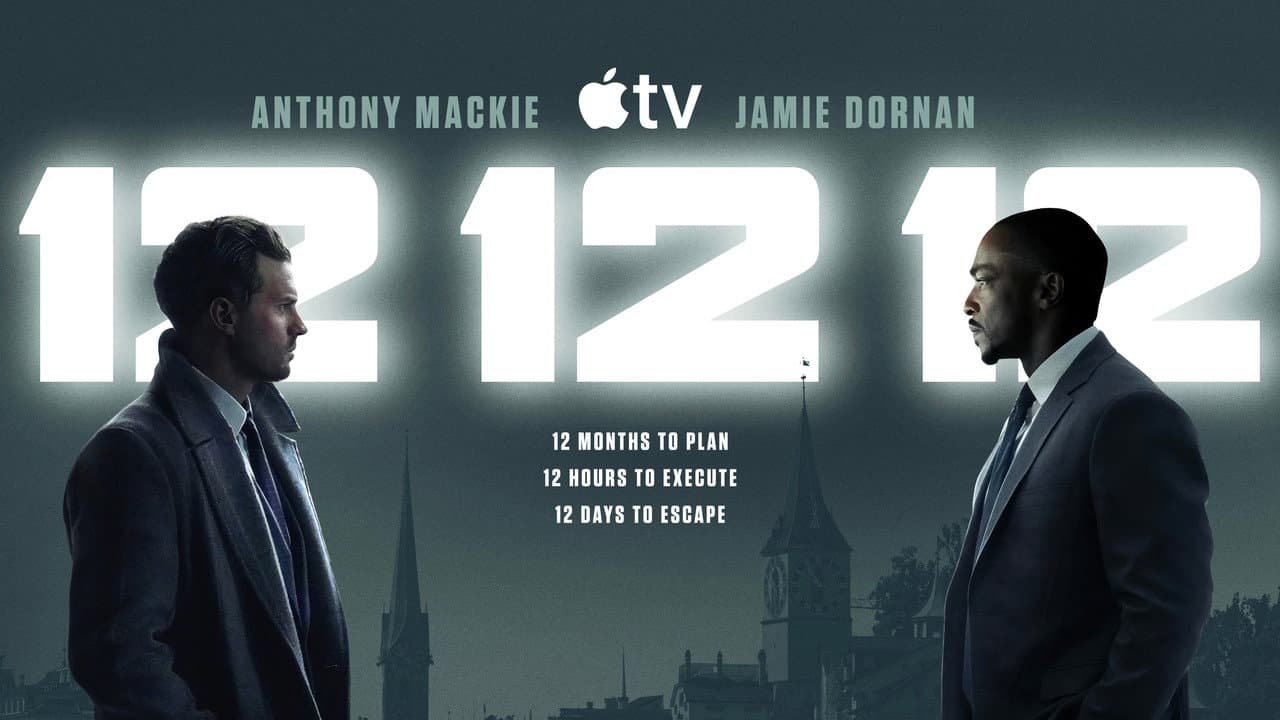
Let's start with the obvious: the premise is a marketing department's dream, and the pilot knows it. "12 12 12" opens with a confidence that borders on swagger, bouncing between timelines with the kind of editorial snap that makes you sit up straight. The heist-planning material is the most fun - all hushed conversations in beautiful rooms, blueprints, and the low-grade thrill of watching clever people be clever. When the show slows down to let the scheme breathe, it's genuinely gripping.
The middle stretch is where things get shakier. Three timelines means three sets of stakes, and the show doesn't always earn the tension it's asking for. Some episodes feel like they're moving fast without actually going anywhere, and the cat-and-mouse dynamic occasionally flattens into literal cat-and-mouse - you can almost see the show checking boxes: here's the near-miss, here's the taunting phone call, here's the FBI agent staring at a corkboard. Mackie and Dornan are good enough to sell it, but they can't quite paper over the moments where the writing coasts on coolness.
What does work, and works well, is the texture. The European locations aren't just postcards - they give the chase a real sense of distance and dislocation. The show has a moody, expensive sheen that suits its thriller ambitions, and the action, when it arrives, is punchy and legible. There's also a pleasing nasty streak running underneath it all; "12 12 12" isn't afraid to let its criminals be genuinely dangerous, and it's better for it.
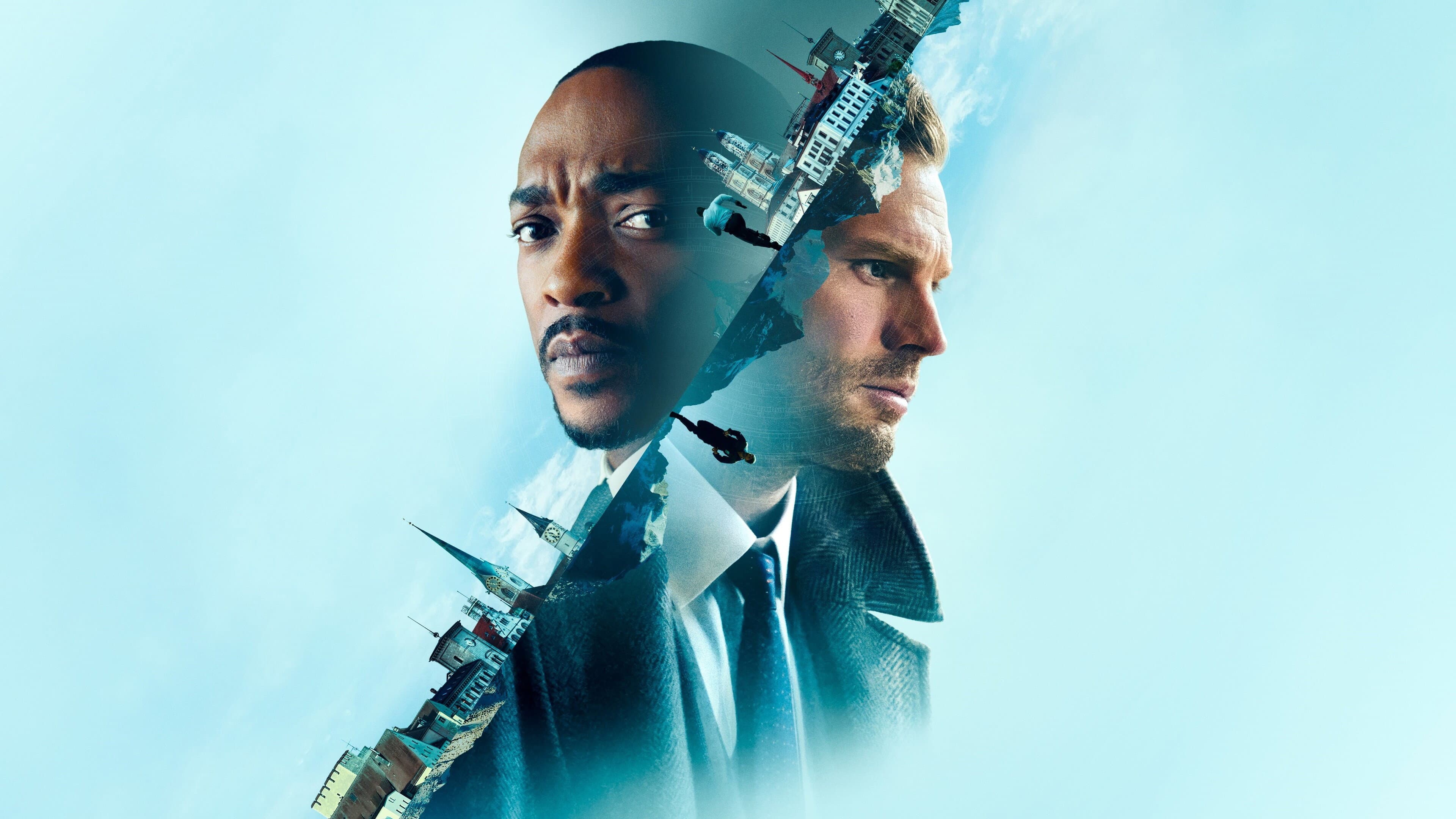
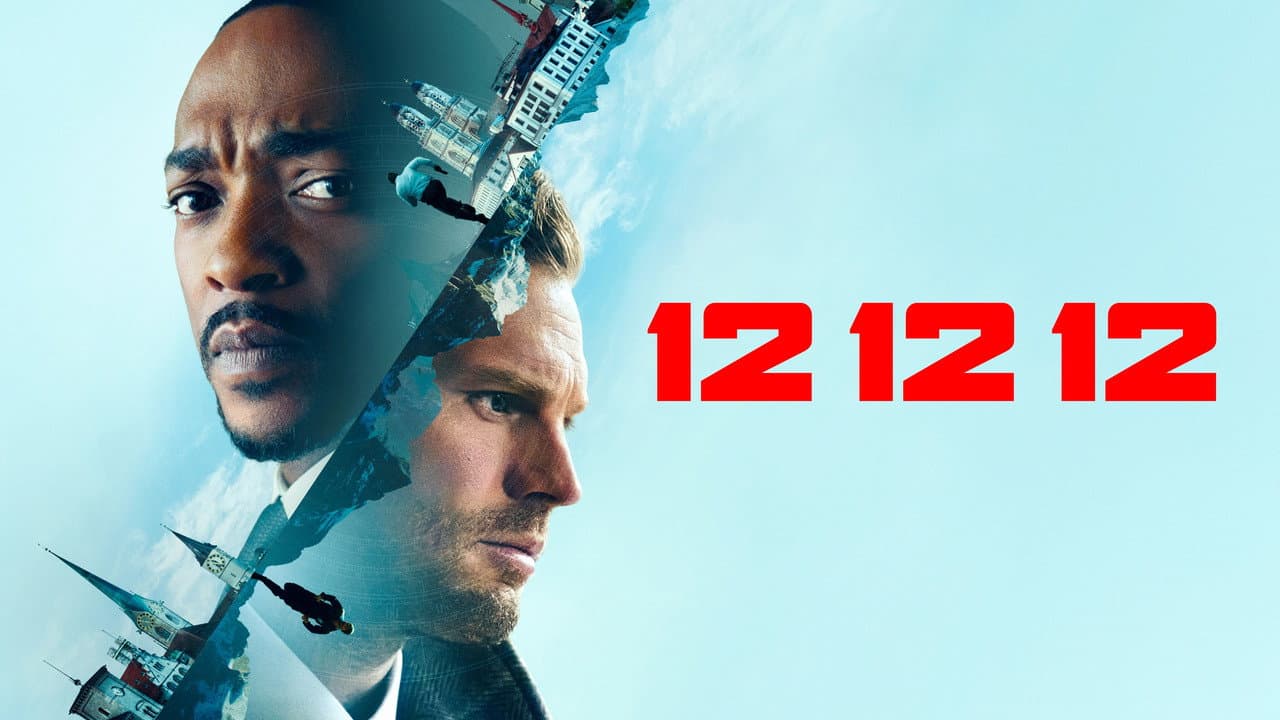
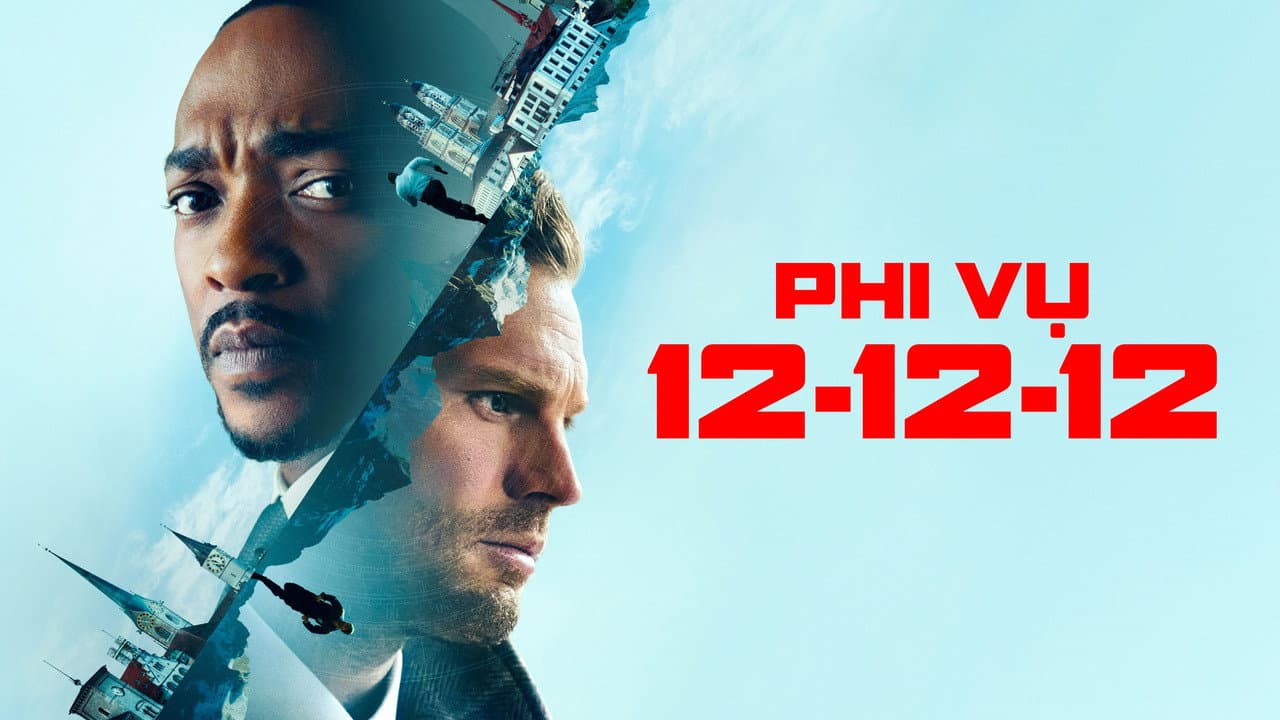
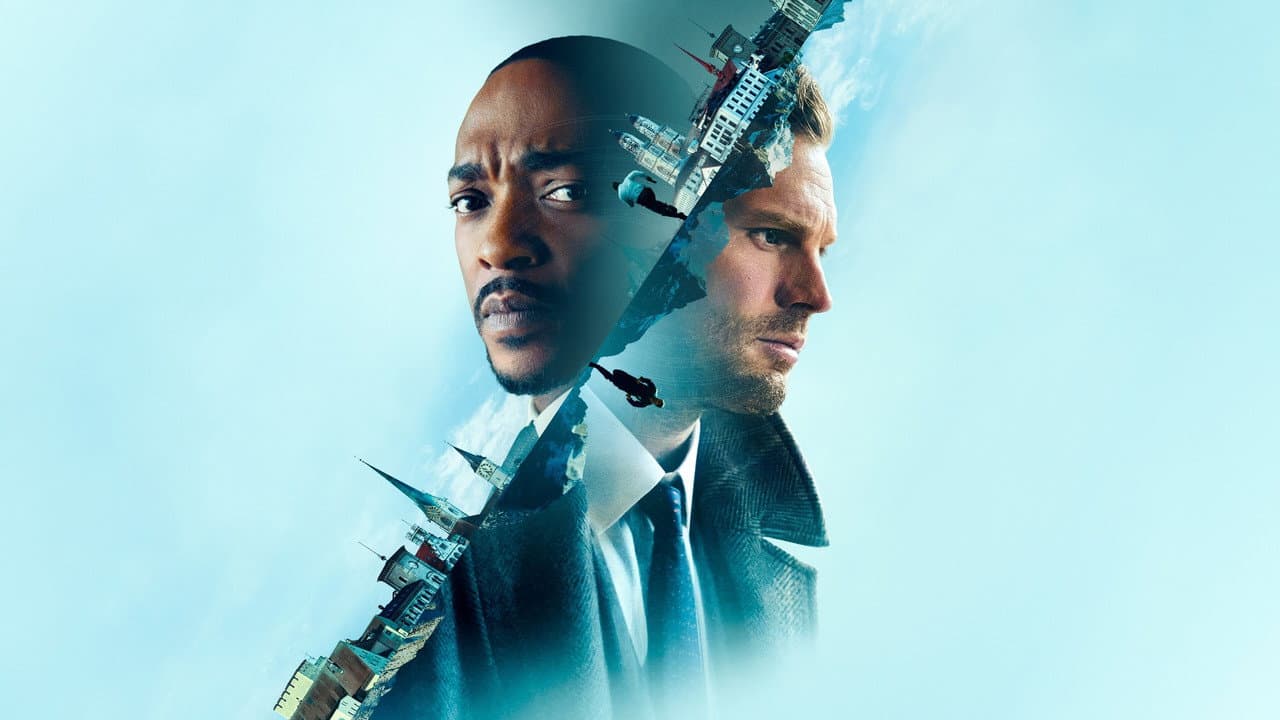
The casting is the season's ace. Mackie's Strickland is compelling precisely because he's not a superhero - he's a guy running on caffeine and conviction, always half a step behind and furious about it. Dornan's Galvin is the season's real engine, charming in one scene and chilling in the next, and the show is smart enough to let the two of them share space as often as possible. When it's just those two in a room, "12 12 12" briefly becomes the show its premise promised.
And that's the frustration. You can feel the great version of this show hovering just out of reach. The timeline trick could have been a knife-twist device - revealing how a plan curdles into chaos, or how a twelve-day window turns allies into liabilities. Instead, it's mostly structural flourish. It looks impressive. It rarely cuts deep.
Still, for a first season swinging this hard, there's a lot to like. It's the kind of show you burn through on a weekend, text a friend about, and argue over the ending with. Not everything has to be a masterpiece. Sometimes you just want a stylish, well-acted thriller that keeps the lights off and the volume up.